 Deutsch
 Ελληνικά
 Dansk
 Nederlands
 Svenska
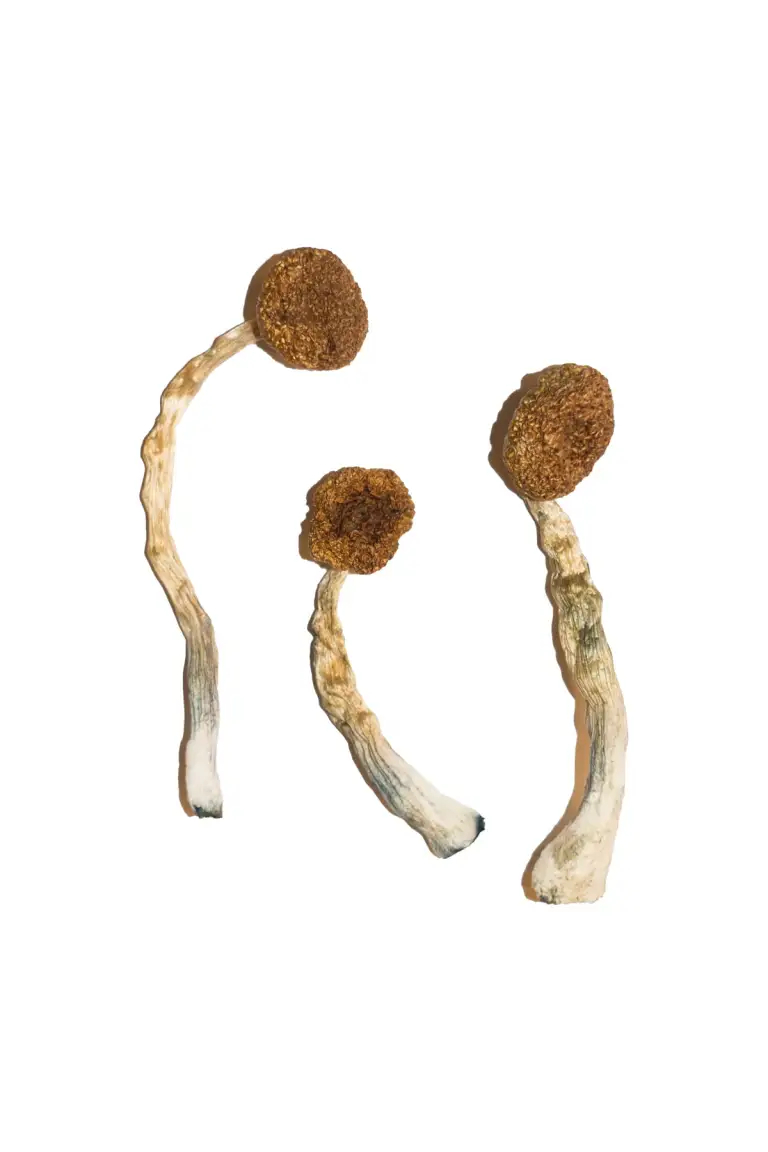
Buy Treasure Coast Magic Mushrooms Online
Treasure Coast Magic Mushrooms are a commercially recognised variety of Psilocybe cubensis, traditionally associated with Florida’s Atlantic coast. The name reflects the variety’s reported geographical origins and its longstanding presence in mycology collections.
Known within mushroom enthusiast communities for its characteristic P. cubensis morphology, Treasure Coast is one of several named varieties used to distinguish specimens and cultivated lineages within this species.
The Origins of Treasure Coast
Treasure Coast takes its name from a stretch of Florida’s Atlantic coastline known for its maritime history and subtropical environment.
The mushroom variety is commonly described as originating from wild Psilocybe cubensis collections in this region. However, the precise collection history and genetic lineage of specimens currently sold under the Treasure Coast name are not consistently documented.
For this reason, Treasure Coast is best understood as a commercial variety designation rather than a formally recognised taxonomic subdivision.
Appearance and Mycological Characteristics
Treasure Coast shares the principal morphological features of Psilocybe cubensis.
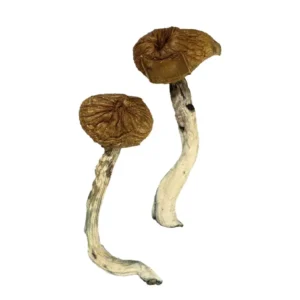
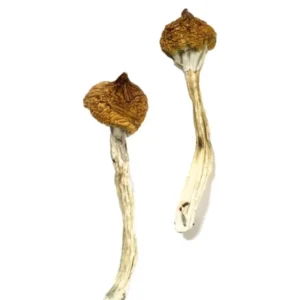
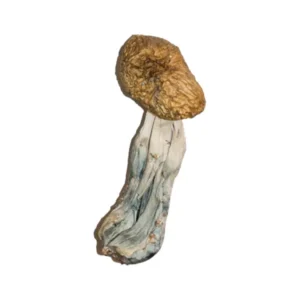
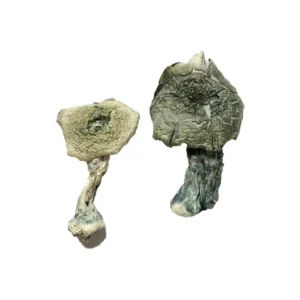
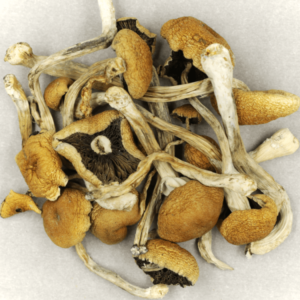
Its fruiting bodies may develop convex to broadly expanded caps, typically displaying golden-brown or caramel tones that can change with maturity and moisture conditions. The stems are generally pale, while mature gills produce dark purplish-brown spores.
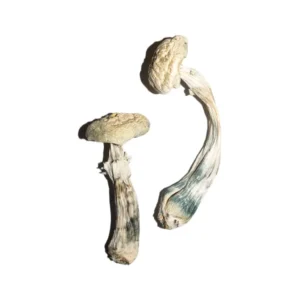
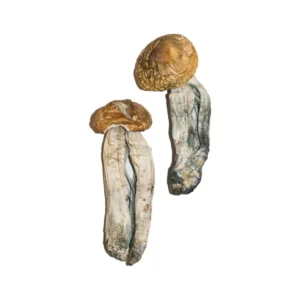
Like other psilocybin-containing Psilocybe species, specimens may exhibit blue discolouration following tissue damage. This reaction is associated with the oxidation of certain tryptamine-related compounds, although bruising alone is not a reliable method of species identification.
Individual specimens can vary substantially in appearance. Commercial variety names do not guarantee uniform size, colour or other visible characteristics.
Psilocybin and Chemical Variability
Psilocybe cubensis is known to produce psilocybin and psilocin, naturally occurring compounds associated with psychedelic effects.
The concentration of these compounds is not fixed across the species. Differences may occur between genetic lineages, individual fruiting bodies and batches.
Although Treasure Coast is sometimes described online using terms such as strong or highly potent, these claims should not be accepted as verified characteristics of the variety.
Only appropriate analytical testing can establish the chemical composition of a specific sample.
Treasure Coast Magic Mushrooms: Product Specifications
| Attribute | Information |
|---|---|
| Product name | Treasure Coast Magic Mushrooms |
| Scientific identification | Psilocybe cubensis |
| Commercial variety | Treasure Coast |
| Fungal family | Hymenogastraceae |
| Reported geographical association | Florida’s Treasure Coast, USA |
| Typical cap characteristics | Convex to expanded; often golden-brown |
| Spore colour | Dark purplish-brown |
| Naturally occurring compounds | Psilocybin and psilocin |
| Product format | As specified on the individual listing |
| Net quantity | As specified on the individual listing |
| Laboratory analysis | Batch-specific documentation required for chemical-content claims |
Understanding the Treasure Coast Variety
Named Psilocybe cubensis varieties are often distinguished through reported collection histories, cultivation traditions and observed morphological differences.
These labels can be useful for organising mycological collections, but they should not be mistaken for independently verified genetic classifications.
Treasure Coast is therefore most accurately identified by its species, its commercial variety name and any reliable provenance information accompanying a particular specimen.
Legal Status in Europe
Treasure Coast belongs to a psilocybin-producing species. Psilocybin-containing mushroom material is subject to restrictions in many European countries, including rules concerning possession, distribution and importation.
Legal requirements vary by jurisdiction and may differ according to the specific biological material involved.
| qtr | 1/2 Ounce, 1/2 Pound, 1/4 Pound, One Ounce, One Pound |
|---|
Be the first to review “Treasure Coast Magic Mushrooms”
Related products
Psilocybin Mushroom
Psilocybin Mushroom
Psilocybin Mushroom
Psilocybin Mushroom
Psilocybin Mushroom
Psilocybin Mushroom
Psilocybin Mushroom
Psilocybin Mushroom
Reviews
There are no reviews yet.