
 Deutsch
 Ελληνικά
 Dansk
 Nederlands
 Svenska
Buy Dancing Tiger Magic Mushrooms Online
Dancing Tiger Magic Mushrooms are a distinctive named lineage of Psilocybe cubensis, recognised for their reported Chinese origins and unusual place in modern mushroom history. Also known as China Dancing Tiger, this variety brings a different geographical identity to a collection dominated by familiar Mexican, South American and Southeast Asian lineages.
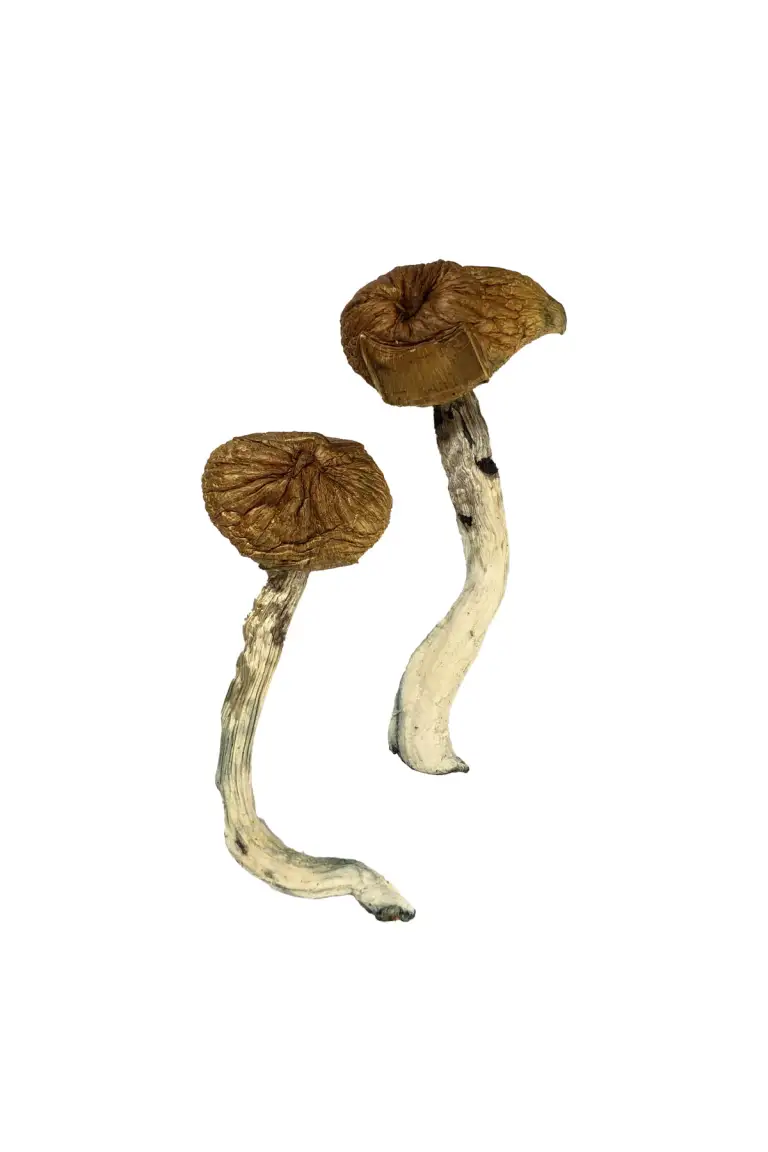
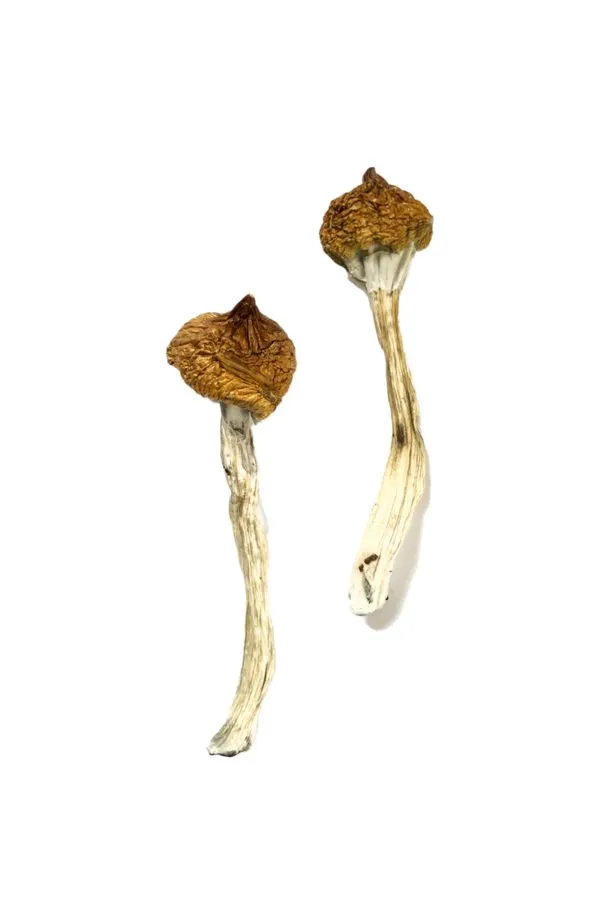
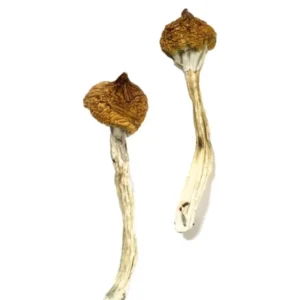
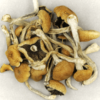
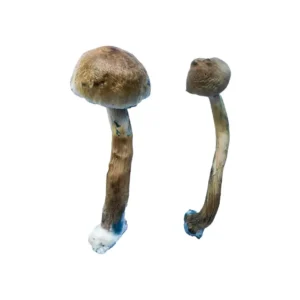
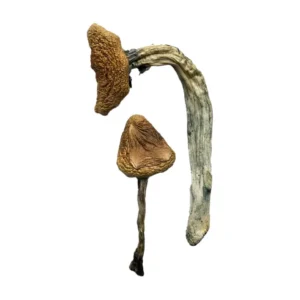
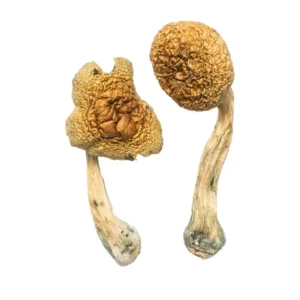
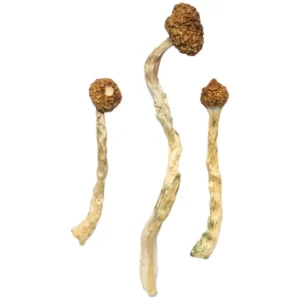
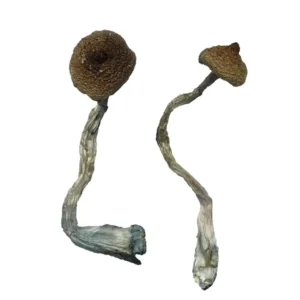
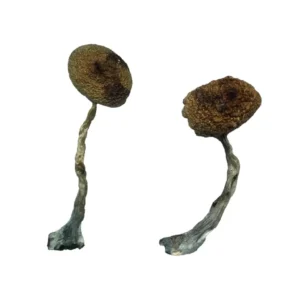
In dried form, Dancing Tiger mushrooms display the naturally varied appearance associated with preserved Psilocybe cubensis, including brown-toned caps, pale fibrous stems and delicate, irregular shapes.
Their intriguing name and relatively uncommon historical background make Dancing Tiger an interesting subject within specialist mycology collections.
A Rare Chinese Connection in Cubensis History
Dancing Tiger is frequently associated with mushroom material reportedly collected in China during the 2000s.
Early community accounts describe a Chinese mycology student sharing specimens or spores with an international collector known as Agar, after which the lineage entered wider circulation.
The name China Dancing Tiger subsequently became associated with this reported collection.
Although these accounts provide a useful historical perspective, they are primarily preserved in community discussions rather than formally published collection records. The exact original location, collector identity and genetic continuity of modern Dancing Tiger specimens remain uncertain.
What makes the lineage particularly noteworthy is its association with China, a geographical background less frequently represented among longstanding commercial Psilocybe cubensis names.
The Appearance of Dried Dancing Tiger Mushrooms
Dried Dancing Tiger mushrooms generally share the familiar physical characteristics of Psilocybe cubensis.
Their caps may display golden-brown, tan or deeper caramel tones, often becoming wrinkled, folded or slightly curled as moisture is removed.
The stems typically appear pale cream to beige, with a lightweight, fibrous texture. Some dried specimens may retain relatively slender proportions, while others develop more substantial or irregular shapes.
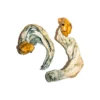
Blue-grey discolouration may be visible where mushroom tissue has been damaged.
Because published morphological studies specifically documenting Dancing Tiger remain limited, these features should be understood as typical dried P. cubensis characteristics rather than guaranteed traits unique to this lineage.
What Makes Dancing Tiger Different?
Dancing Tiger is distinguished primarily by its reported geographical history rather than a scientifically established difference in morphology or chemical composition.
Unlike Golden Mammoth, which is associated with a claimed selective-development programme, Dancing Tiger is generally presented as a lineage connected to a regional mushroom collection.
Its name also differs from varieties such as Penis Envy or Jedi Mind Fuck, whose identities are closely associated with distinctive morphology or modern naming culture.
The Dancing Tiger designation reflects a particular history within mycology communities, although reliable identification of individual specimens requires documentation beyond the commercial name.
Natural Compounds in the Dried Variety
Dancing Tiger belongs to Psilocybe cubensis, a species known to produce the naturally occurring compounds psilocybin and psilocin.
Drying changes the mushrooms’ moisture content, texture and appearance. The chemical composition of dried specimens can vary according to biological and processing factors.
There is insufficient published evidence to establish a consistent potency level or distinctive subjective effects for all mushrooms identified as Dancing Tiger.
Reliable chemical-content information requires appropriate analysis of the specific material.
Dancing Tiger Magic Mushrooms at a Glance
| Characteristic | Details |
|---|---|
| Product name | Dancing Tiger Magic Mushrooms |
| Alternative name | China Dancing Tiger |
| Product form | Dried mushrooms |
| Scientific association | Psilocybe cubensis |
| Commercial lineage | Dancing Tiger |
| Reported geographical origin | China |
| Historical association | Early international mycology exchanges |
| Typical dried cap appearance | Brown to tan, often folded |
| Typical dried stem appearance | Pale, fibrous and lightweight |
| Naturally occurring compounds | Psilocybin and psilocin |
| Verified genetic provenance | Not conclusively established |
| Batch-specific potency | Requires laboratory analysis |
A Distinctive Name in International Mycology
Dancing Tiger occupies an interesting position among named Psilocybe cubensis lineages because of its reported Chinese origins and connection to early international exchanges of mushroom material.
Its geographical identity distinguishes it from many familiar commercial varieties, while its limited formal documentation highlights the importance of separating historical accounts from verified genetic information.
For those studying the diversity of dried Psilocybe cubensis specimens, Dancing Tiger provides an example of how regional collections and community history have influenced modern mushroom nomenclature.
| qtr | 1/2 Ounce, 1/2 Pound, 1/4 Pound, One Ounce, One Pound |
|---|
Be the first to review “Dancing Tiger Magic Mushrooms – Explore Psychedelic Bliss”
Related products
Psilocybin Mushroom
Psilocybin Mushroom
Psilocybin Mushroom

Psilocybin Mushroom
Psilocybin Mushroom
Psilocybin Mushroom
Psilocybin Mushroom
Psilocybin Mushroom
Reviews
There are no reviews yet.