 Deutsch
 Ελληνικά
 Dansk
 Nederlands
 Svenska
Buy Magic Mushroom Substrate Online
Explore Magic Mushroom Substrate materials, from coconut coir and vermiculite to grain-based media and prepared organic blends. Substrate is an essential component of fungal biology, providing the physical environment and, depending on its composition, the nutrients that support mycelial development.
Different substrate products serve different purposes. Some contain raw growing materials, while others are supplied as hydrated, processed or biologically colonised preparations. Understanding these distinctions is important when comparing mushroom substrate products and specialist mycology supplies.
FreshMushrooms® Magic Mushroom Grow Kits
Grow Kits without Mycelium
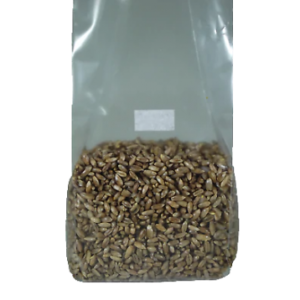
Grow Kits without Mycelium
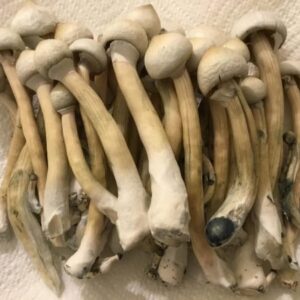
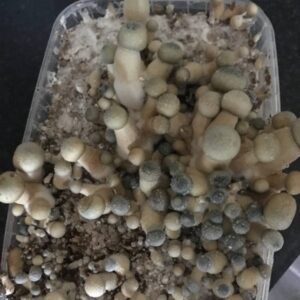
Golden Teacher Mushroom Kit
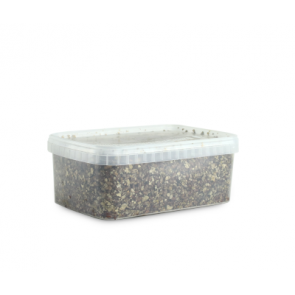
Grow Kits without Mycelium
Sterile Magic Mushroom substrate for p. Cubensis Extra Large
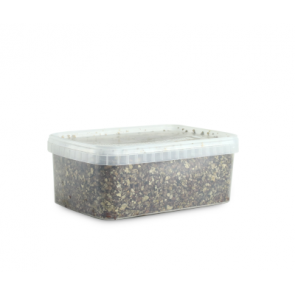
Grow Kits without Mycelium
What Is Magic Mushroom Substrate?
Magic mushroom substrate is the material on or within which the mycelium of certain fungi develops. Mycelium consists of fine, branching filaments called hyphae that absorb nutrients from their surroundings.
In mycology, the word substrate describes a wide range of materials rather than one universal mixture. A substrate may consist of agricultural fibres, grains, composted organic matter or a manufactured blend.
The term magic mushroom substrate is commonly associated with materials marketed in connection with psilocybin-producing fungi, including Psilocybe cubensis. However, ordinary uncolonised substrate is not itself a psychedelic product.
Its ingredients, moisture condition, processing and biological contents determine what kind of product it is.
Explore Different Mushroom Substrate Materials
Coconut Coir
Coconut coir is produced from the fibrous husk of coconuts. It is lightweight, absorbent and widely recognised as a component of horticultural and mycological growing media.
Commercial coir may be supplied as compressed blocks, loose fibres or an ingredient in prepared blends. Its primary distinguishing characteristics include its fibrous texture and capacity to retain moisture.
Vermiculite
Vermiculite is a lightweight, expanded mineral valued for its porous structure.
Unlike nutrient-rich organic materials, vermiculite is primarily used for its physical properties, particularly moisture retention and the texture it contributes to growing media.
It is often encountered as one ingredient within a broader substrate formulation.Grain-Based Media
Grain-based products contain cereal materials such as rye, millet, wheat or oats.
These materials differ from coconut coir because they contain substantial nutritional reserves, including carbohydrates. Grain products may be supplied as uncolonised media or as part of a separate fungal culture product.
The distinction between sterile grain and colonised grain spawn is especially important: one describes prepared material, while the other contains established mycelium.
Organic and Compost-Based Materials
Organic substrate products may contain composted plant matter, agricultural by-products or other processed biological ingredients.
Their characteristics vary significantly according to the ingredients and manufacturing process. For this reason, a general description such as organic mushroom substrate does not establish a precise formulation.
Prepared Substrate Blends
Prepared blends combine different materials into a single packaged product.
Examples within the broader mycology market include coir-based blends, mineral-amended growing media and processed organic mixtures.
The ingredient list, processing description and package contents are more useful for comparison than a generic claim that a blend is premium or professional.
Understanding Mushroom Substrate Product Formats
Substrate composition is only one part of product identification. The way a material is supplied also matters.| Product format | What it means |
|---|---|
| Dry substrate | Material supplied without substantial added hydration |
| Hydrated substrate | Growing material supplied with moisture already present |
| Prepared substrate blend | A packaged mixture of specified ingredients |
| Pasteurised substrate | Material subjected to a microbial reduction process |
| Sterilised substrate | Material subjected to a more intensive microbial treatment |
| Colonised substrate | Material containing established fungal mycelium |
Mushroom Substrate, Grain Spawn and Casing Material: Key Differences
These three terms are frequently confused, but they describe different functions.
Substrate is the underlying material associated with fungal growth. Depending on its composition, it can provide nutrition, moisture and physical support.
Grain spawn is grain or another carrier material already colonised by living fungal mycelium. It is a biological culture product, not simply a bag of ordinary grain.
Casing material is a surface covering used in certain mushroom cultivation systems. Its primary role may relate to the physical environment around the fungal material rather than supplying substantial nutrition.
A product description should identify which of these materials is actually being supplied.
What Defines a Quality Mushroom Substrate Product?
A useful substrate listing should explain more than the product name.
Important information includes the ingredients, net quantity, moisture condition, packaging type and any documented manufacturing treatment.
For prepared products, the distinction between pasteurisation and sterilisation should be stated accurately. Neither term should be used as a general synonym for cleanliness or quality.
Biological contents also matter. A substrate containing living fungal material is fundamentally different from an uncolonised bag of coir or grain.
Manufacturer identification, batch information where available, storage requirements and packaging integrity can provide additional transparency.
Packaging, Freshness and Storage
Mushroom substrate products differ in their sensitivity to moisture, storage conditions and packaging.
Dry, compressed materials are physically different from hydrated organic mixtures. Products containing living mycelium introduce additional biological considerations.
Packaging may include sealed bags, rigid containers or specialised filter bags, depending on the material.
A sealed package does not automatically prove sterility, and a product's appearance alone cannot confirm microbiological quality.
Any storage instructions or shelf-life claims should come from the manufacturer of the specific product.
Is Magic Mushroom Substrate Legal in Europe?
The legal classification of mushroom substrate depends on its contents and the laws of the relevant European country.
Ordinary growing materials may be treated differently from products containing living cultures of controlled fungal species.
Because legislation varies across Europe, the commercial availability of a substrate product in one jurisdiction does not establish its legal status elsewhere.