 Deutsch
 Ελληνικά
 Dansk
 Nederlands
 Svenska
Buy Magic Truffles Online
Magic truffles are a distinctive form of psilocybin-containing fungi, recognised for their compact texture, earthy flavour and naturally occurring psychoactive compounds. Available under familiar names such as Mexicana, Atlantis, Tampanensis, Hollandia and Valhalla, these underground fungal structures are an established part of European psychedelic culture.
Explore the characteristics of different magic truffle varieties, understand the differences between fresh and processed sclerotia, and discover what makes magic truffles different from conventional mushrooms.
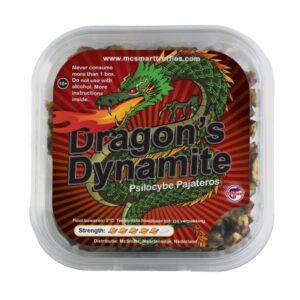
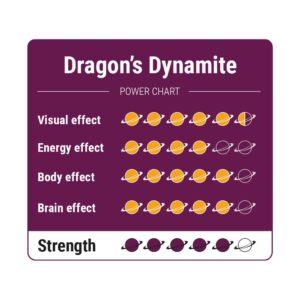
Magic Truffles
Magic Truffles
Magic Truffles
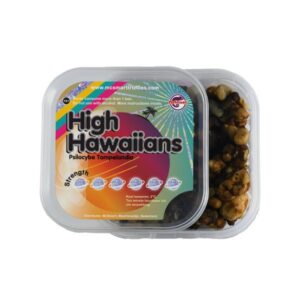
Magic Truffles
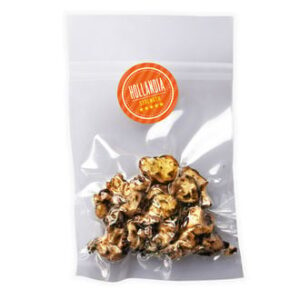
Magic Truffles
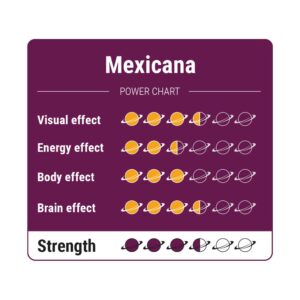
Magic Truffles
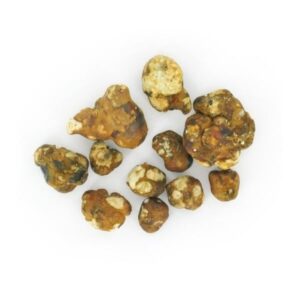
Magic Truffles
Magic Truffles
Magic Truffles
Magic Truffles
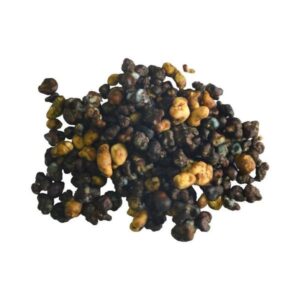
Magic Truffles
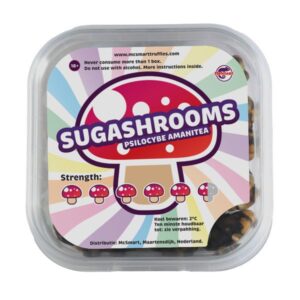
Magic Truffles
What Are Magic Truffles?
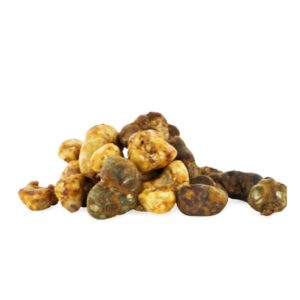
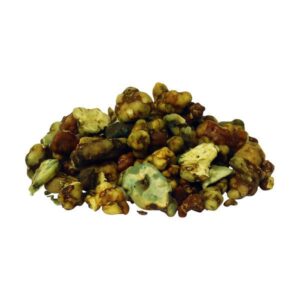
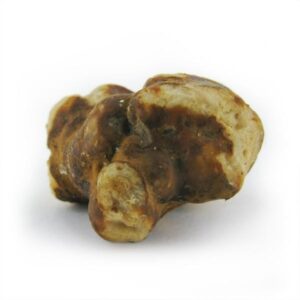
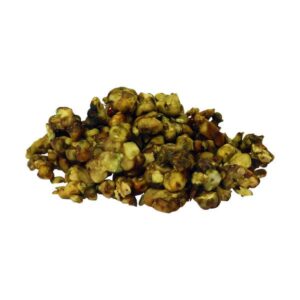
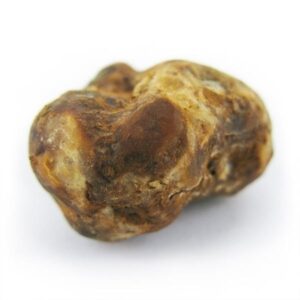
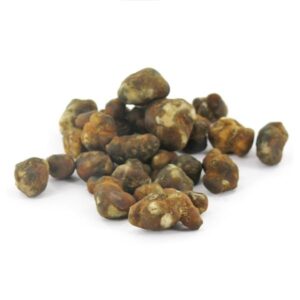
Magic truffles are compact masses of fungal tissue called sclerotia, formed by certain species of psilocybin-producing fungi. They develop within the mycelium, the network of fine fungal filaments that makes up the vegetative body of a fungus.
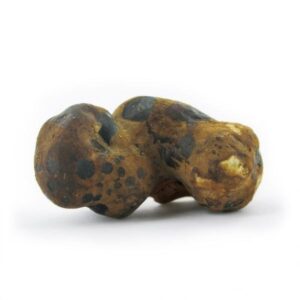
Sclerotia function as survival structures, helping fungi withstand periods of unfavourable environmental conditions. Unlike mushrooms, which develop visible caps and stems, magic truffles form dense, irregular masses.
Fresh magic truffles typically have a firm, chewy texture and an earthy flavour that may be described as nutty, bitter or slightly sour. Their colour ranges from pale tan to deeper brown.
Despite their name, magic truffles are not the culinary truffles used in cooking. They are a different fungal structure associated with certain psilocybin-containing species.
Explore Popular Magic Truffle Varieties
Magic truffles are associated with several recognised fungal species and commercial variety names. Their characteristics and scientific identities should be distinguished from marketing claims about strength.Mexicana Magic Truffles
Mexicana is associated with Psilocybe mexicana, a historically significant species in psychedelic mycology. It is one of the most recognisable names in magic truffle collections.
The species is known for its ability to form sclerotia, although the characteristics of individual commercial products depend on their actual fungal material.
Atlantis Magic Truffles
Atlantis is a familiar commercial designation associated with sclerotia-producing Psilocybe cultures. It is frequently encountered in European truffle catalogues, although its precise taxonomic identification should be supported by reliable product information.Tampanensis Magic Truffles
Psilocybe tampanensis is a documented sclerotia-producing species, with sclerotia sometimes referred to as Philosopher's Stones. Its distinctive biological ability to form these compact survival structures makes it an important species in the study of magic truffles.Hollandia and Valhalla Magic Truffles
Hollandia and Valhalla are established commercial names associated with magic truffle products. Although sometimes marketed using strength-based descriptions, neither name establishes a standardised psilocybin concentration. Reliable comparisons require product-specific analytical evidence.Magic Truffles vs. Magic Mushrooms
Magic truffles and magic mushrooms may contain the same principal psychoactive compounds, but they are different fungal structures.| Feature | Magic truffles | Magic mushrooms |
|---|---|---|
| Biological structure | Sclerotia | Fruiting bodies |
| Appearance | Compact, irregular masses | Caps and stems |
| Fresh texture | Firm and dense | Generally softer |
| Active compounds | Psilocybin and psilocin | Psilocybin and psilocin |
| Potency | Varies by sample | Varies by sample |
| Legal classification | Country-specific | Country-specific |
Effects and Strength of Magic Truffles
Magic truffles contain psilocybin, which is converted into psilocin in the body. Psilocin interacts with serotonin receptors, particularly the 5-HT2A receptor, and can influence perception, mood and cognition.
Reported effects include intensified colours, changes in visual perception, altered time awareness, emotional sensitivity and unusual thought patterns.
Experiences can also involve nausea, anxiety, confusion, panic or impaired judgement.
Commercial descriptions sometimes classify truffles as mild, moderate or strong. However, these terms are not standardised measures of psilocybin content.
Concentrations vary between samples, and fresh product weight can be misleading because moisture contributes substantially to the total mass. A commercial variety name cannot reliably predict the intensity of an experience.
Fresh Magic Truffles: Quality, Packaging and Storage
Fresh magic truffles retain their natural moisture and typically have a dense, firm texture. Because they are biological materials, their condition can change during storage.
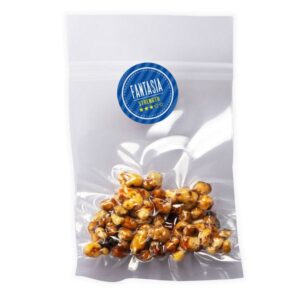
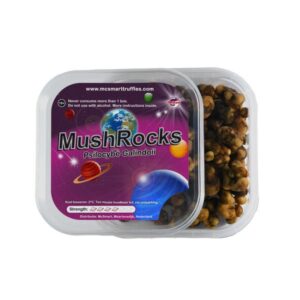
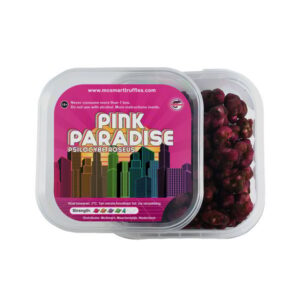
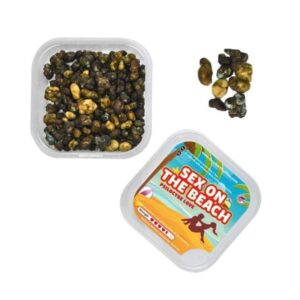
Packaging varies between products. Some fresh truffles are supplied in sealed or vacuum-packed formats, although packaging alone does not guarantee freshness, chemical stability or microbiological safety.
Useful product information includes the condition of the sclerotia, packaging type, documented storage requirements and any applicable use-by date.
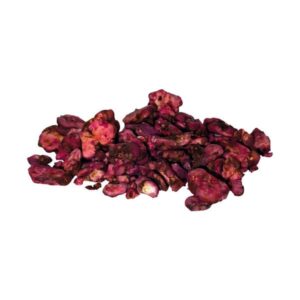
Fresh and dried truffles differ in moisture content and physical properties. Processing may also affect how they are classified under local legislation.
Are Magic Truffles Legal in Europe?
The legal status of magic truffles varies across Europe, with different countries applying their own regulations to psilocybin-containing products.
Some jurisdictions distinguish between fresh sclerotia, dried mushrooms and other fungal preparations, while others regulate them under the same controlled-substance laws.
Because regulations differ between European countries, the availability, possession and distribution of magic truffles depend on local legislation. Customers should check the applicable requirements in their country before considering a purchase.