 Deutsch
 Ελληνικά
 Dansk
 Nederlands
 Svenska
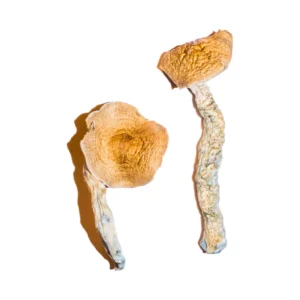
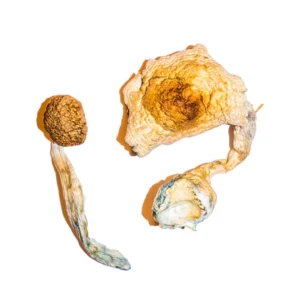
Transkei Magic Mushrooms
Transkei Magic Mushrooms are associated with a distinctive southern African lineage of psychedelic fungi. Named after the historic Transkei region along South Africa’s eastern coast, this mushroom has long been recognised within mycological collections for its regional origins and characteristic appearance.
Traditionally classified within Psilocybe cubensis, Transkei has attracted renewed scientific interest following research into the genetic diversity of African Psilocybe species.
The South African Origins of Transkei Magic Mushrooms
The name Transkei refers to a historical region of South Africa’s Eastern Cape, known for its coastal landscapes, grasslands and subtropical environments.
Accounts within mycology communities trace the commercial Transkei lineage to wild mushroom collections from this region in the early 2000s. Although these accounts provide useful historical context, the provenance of individual commercially circulated specimens is not always independently documented.
Transkei became widely known as one of the African-origin mushroom varieties represented in international mycology collections.
Transkei and the Discovery of Psilocybe ochraceocentrata
For many years, Transkei was commonly described as a South African variety of Psilocybe cubensis.
However, modern genetic research has challenged the assumption that all visually similar African psychedelic mushrooms belong to that species.
In 2026, researchers formally described Psilocybe ochraceocentrata, a southern African species closely related to, but genetically distinct from, Psilocybe cubensis. The research identified a longstanding pattern of misclassification involving African fungal specimens and commercially circulated mushroom lineages.
The discovery highlights why commercial variety names should not be treated as definitive scientific identifications.
For any particular Transkei specimen, reliable species identification depends on documented provenance and appropriate taxonomic or genetic analysis.
Appearance and Mycological Characteristics
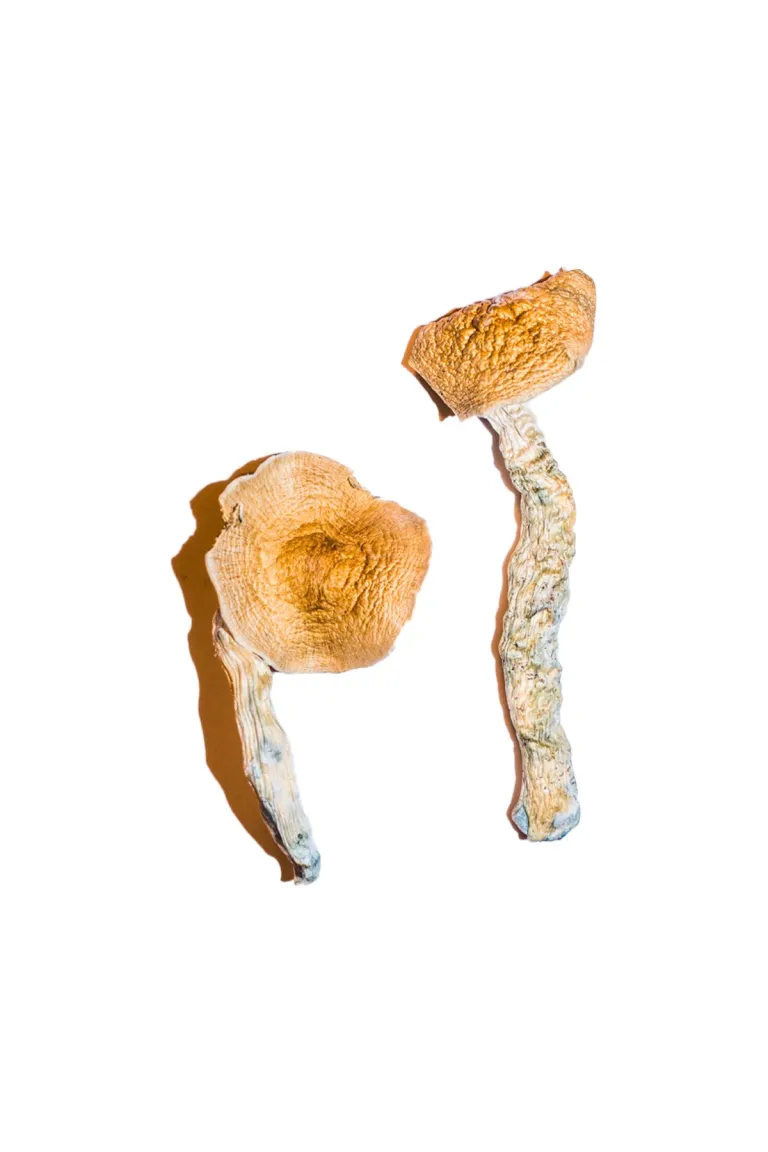
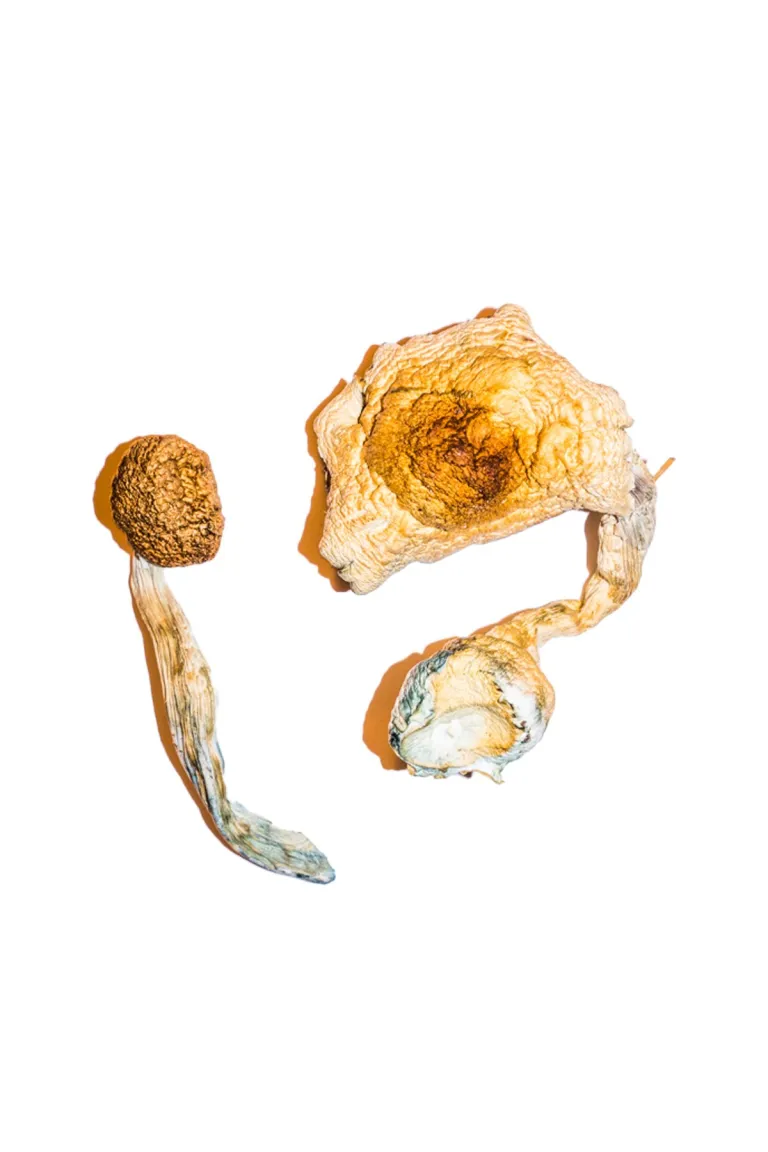
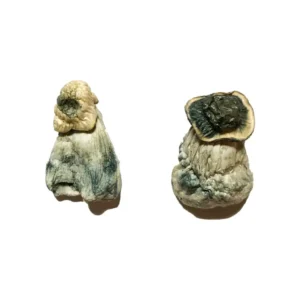
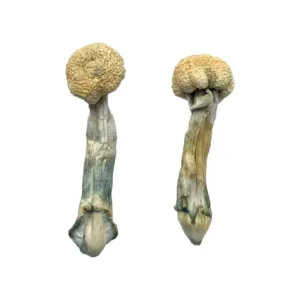
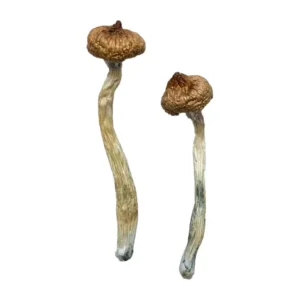
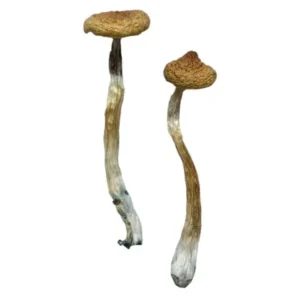
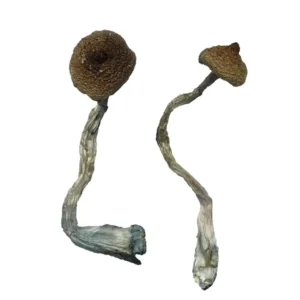
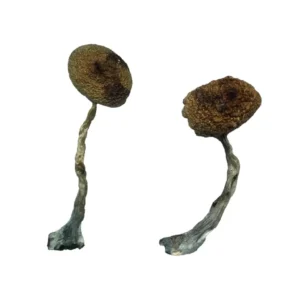
Mushrooms circulated under the Transkei name have traditionally been described as developing pale stems and caps ranging from golden-brown to lighter cream tones as they mature.
Their gills may darken as spores develop, while mature specimens can exhibit dark purplish-brown spore deposits.
Visible characteristics are influenced by genetics, maturity and environmental conditions. As a result, individual specimens may differ in cap shape, colour, stem proportions and overall appearance.
Some psilocybin-producing mushrooms also develop blue discolouration following tissue damage. This reaction is not unique to Transkei and should never be relied upon as the sole method of fungal identification.
Psilocybin and Chemical Composition
Transkei is associated with psilocybin-producing fungi. Psilocybin and psilocin are naturally occurring tryptamine compounds responsible for the psychedelic properties of certain Psilocybe species.
Chemical concentrations can vary between species, genetic lineages and individual specimens.
Descriptions of Transkei as consistently stronger or more intense than other named varieties are not sufficient evidence of a particular product’s chemical composition.
Accurate potency information requires appropriate analytical testing of the specific material concerned.
Transkei Magic Mushrooms: Key Characteristics
| Attribute | Information |
|---|---|
| Product name | Transkei Magic Mushrooms |
| Alternative names | African Transkei, South African Transkei |
| Geographic association | Eastern Cape, South Africa |
| Traditional commercial classification | Psilocybe cubensis variety |
| Relevant updated taxonomy | Psilocybe ochraceocentrata associated with certain Transkei lineages |
| Fungal genus | Psilocybe |
| Typical cap colours | Golden-brown to pale cream |
| Typical spore colour | Dark purplish-brown |
| Relevant compounds | Psilocybin and psilocin |
| Confirmed species of individual product | Requires verification |
| Product format and quantity | As stated on the individual listing |
Why the Transkei Name Matters in Mycology
Transkei illustrates an important distinction between traditional commercial mushroom naming and modern scientific classification.
For decades, mushroom varieties were often grouped according to appearance, reported geographical origin and cultivation history. Advances in DNA sequencing have made it possible to investigate relationships that cannot be established reliably from appearance alone.
The recent research into southern African Psilocybe species demonstrates that a familiar commercial name may conceal a more complex taxonomic history.
This makes Transkei particularly relevant to discussions of fungal biodiversity, genetic identification and the scientific classification of psychedelic mushrooms.
Legal Status in Europe
Psilocybin-containing mushroom material is controlled in many European countries. Regulations concerning possession, distribution, importation and cultivation vary by jurisdiction.
Scientific reclassification does not automatically change a product’s legal status. Applicable legislation and the actual biological contents remain important considerations.
| qtr | 1/2 Ounce, 1/2 Pound, 1/4 Pound, One Ounce, One Pound |
|---|
Be the first to review “Transkei Magic Mushrooms”
Related products
Psilocybin Mushroom
Psilocybin Mushroom
Psilocybin Mushroom
Psilocybin Mushroom
Psilocybin Mushroom
Psilocybin Mushroom
Psilocybin Mushroom
Psilocybin Mushroom
Reviews
There are no reviews yet.