
 Deutsch
 Ελληνικά
 Dansk
 Nederlands
 Svenska
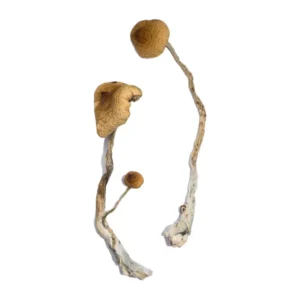
Syzygy Magic Mushrooms
Syzygy Magic Mushrooms are a named variety traditionally associated with Psilocybe cubensis, one of the most extensively studied psilocybin-producing mushroom species. The Syzygy name has a distinctive place in psychedelic mycology, particularly through its reported connections with early mushroom enthusiasts and the historical circulation of fungal specimens.
Beyond its unusual name, Syzygy offers an interesting example of how commercial mushroom varieties acquire identities through collection histories, community preservation and informal genetic lineages.
The History Behind Syzygy Magic Mushrooms
The word syzygy describes the alignment of celestial bodies, particularly in astronomy. Its use as a mushroom variety name reflects the terminology and cultural influences associated with early psychedelic communities.
Within mycology circles, Syzygy is frequently linked to Terence and Dennis McKenna, whose work helped popularise interest in psychedelic fungi during the late twentieth century.
Community accounts describe an early lineage associated with the McKennas, followed by later efforts to preserve or recirculate specimens under the Syzygy name. However, the precise collection location, original genetics and continuity of today’s commercially available material have not been conclusively established.
This distinction matters because historical associations do not independently verify the identity or ancestry of a modern fungal specimen.
Appearance and Mycological Characteristics
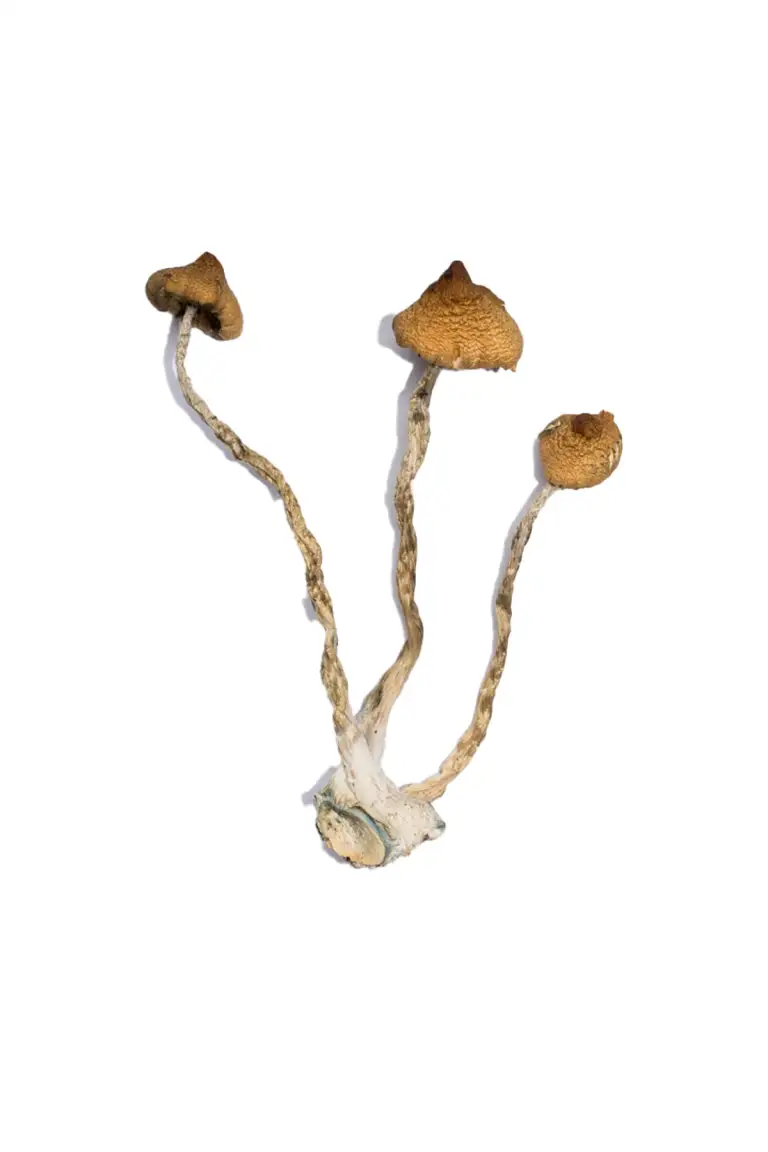
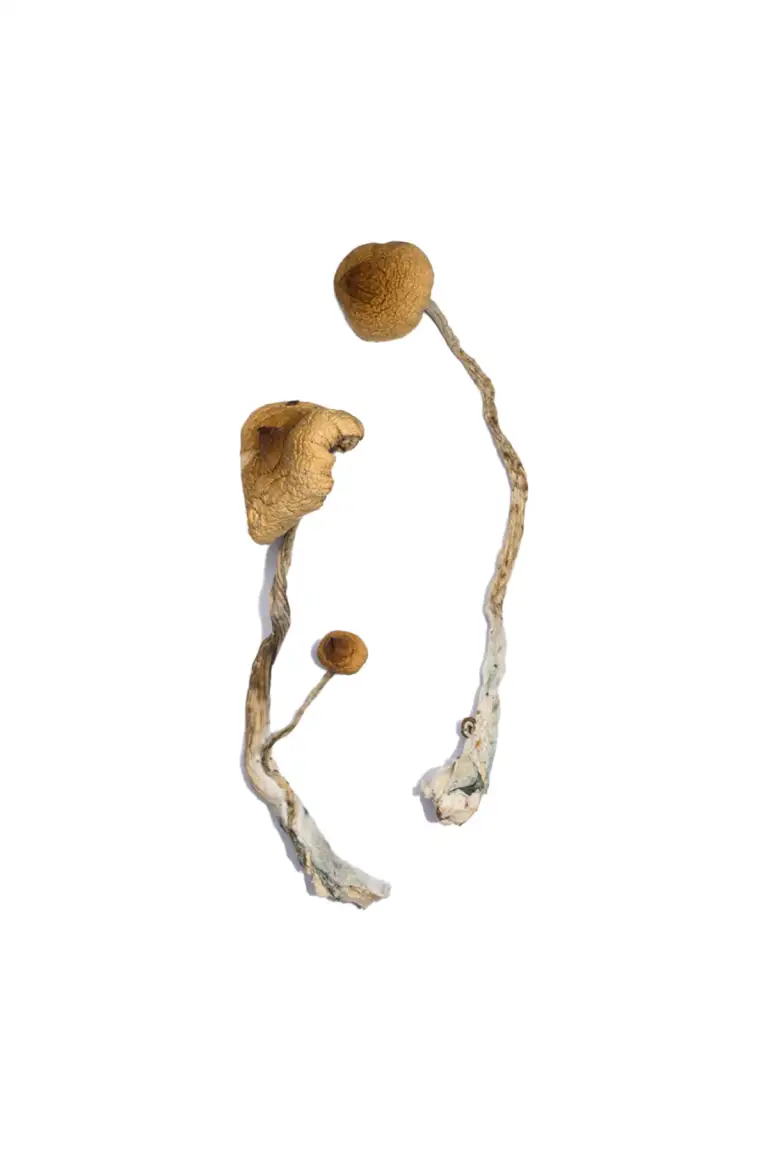
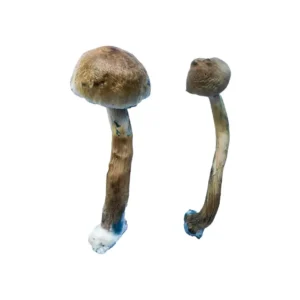
Syzygy is generally described within the broader morphological characteristics of Psilocybe cubensis.
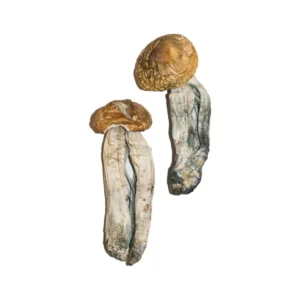
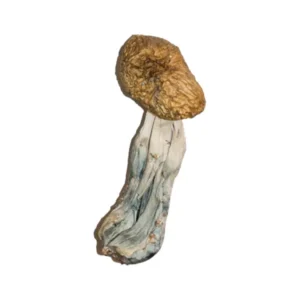
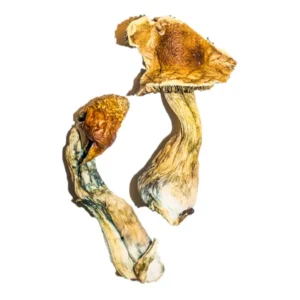
Typical fruiting bodies of this species develop rounded or convex caps that broaden with maturity. Cap colouring can range from yellowish-brown to deeper caramel or ochre tones, while the stems are usually pale.
As spores mature, the gills darken and produce a purplish-brown spore deposit, a characteristic associated with P. cubensis.
Blue discolouration may appear where fungal tissue is damaged, although this reaction is not unique to Syzygy and cannot independently establish a mushroom’s identity.
There is insufficient published evidence to define a consistent, scientifically verified appearance exclusive to the Syzygy commercial lineage.
Syzygy and Psilocybin
Psilocybe cubensis produces naturally occurring psychoactive compounds, principally psilocybin and psilocin.
These substances are associated with changes in perception, cognition and sensory processing. Their concentrations can vary considerably between specimens and batches.
Although community descriptions sometimes attribute particular strengths or subjective characteristics to named mushroom varieties, such accounts do not establish reproducible chemical differences.
The Syzygy name alone therefore provides no reliable basis for determining potency. Specific chemical-content claims require appropriate analysis of the material concerned.
Syzygy Magic Mushrooms: Key Characteristics
| Attribute | Information |
|---|---|
| Product name | Syzygy Magic Mushrooms |
| Commercial variety | Syzygy |
| Traditionally associated species | Psilocybe cubensis |
| Genus | Psilocybe |
| Family | Hymenogastraceae |
| Historical association | Terence and Dennis McKenna, according to community accounts |
| Verified geographical origin | Not established |
| Typical species-level cap colours | Yellowish-brown to caramel |
| Typical species-level spore colour | Purplish-brown |
| Principal psychoactive compounds | Psilocybin and psilocin |
| Verified lineage-specific potency | Not established |
| Product format and quantity | To be confirmed for the individual listing |
Why Syzygy Is Significant in Mushroom History
Syzygy illustrates the relationship between fungal science and the informal history of psychedelic mushroom varieties.
Commercial names often originate from geographical associations, individual collectors or community naming traditions. Over time, these names may become widely recognised even when their genetic histories remain poorly documented.
Scientific research into Psilocybe cubensis has demonstrated considerable genetic diversity among cultivated lineages. This reinforces the importance of distinguishing a familiar commercial name from a genetically verified classification.
For Syzygy, the historical narrative is an important part of its identity, but reliable specimen identification still depends on evidence specific to the material being examined.
Legal Considerations in Europe
Psilocybin-containing mushrooms are controlled in many European countries. Restrictions may apply to their possession, sale, distribution and importation.
The legal classification of related spores and other fungal materials can differ by jurisdiction. Product availability should therefore be considered in relation to the applicable national legislation.
| qtr | 1/2 Ounce, 1/2 Pound, 1/4 Pound, One Ounce, One Pound |
|---|
Be the first to review “Syzygy Magic Mushrooms”
Related products
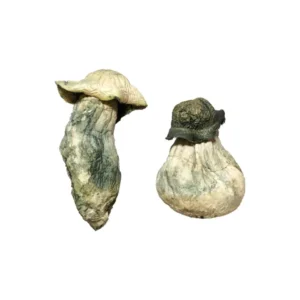
Psilocybin Mushroom
Psilocybin Mushroom
Psilocybin Mushroom
Psilocybin Mushroom
Psilocybin Mushroom
Psilocybin Mushroom
Psilocybin Mushroom
Psilocybin Mushroom
High-Quality B+ Magic Mushrooms Online – Psychedelic Dispensary
Reviews
There are no reviews yet.