
 Deutsch
 Ελληνικά
 Dansk
 Nederlands
 Svenska
Albino Penis Envy Isolated Spores
Albino Penis Envy Isolated Spores are associated with one of the most distinctive named varieties of Psilocybe cubensis. Commonly abbreviated to APE, Albino Penis Envy is recognised for its unusually pale mushroom appearance, compact caps and thick stems, making it a notable subject within specialist mycology collections.
This product is described as an isolated preparation in a 10 ml syringe, intended for microscopy and fungal identification research. Its precise biological contents and isolation method should be established before publication.
Albino Penis Envy — Product Highlights
- 10 ml syringe format: A familiar presentation for microscopy specimens.
- Recognised APE variety: Associated with the distinctive Albino Penis Envy lineage.
- Pale mushroom morphology: Characterised by reduced pigmentation in mature fruiting bodies.
- Specialised preparation: Marketed as an isolated specimen rather than a conventional multispore product.
- Comparative microscopy interest: Relevant to the study of fungal pigmentation, spore morphology and named cubensis lineages.
What Is Albino Penis Envy?
Albino Penis Envy is a named Psilocybe cubensis variety associated with the Penis Envy family.
Its development is commonly attributed to breeding work involving Penis Envy and an albino cubensis lineage, although the exact ancestry of individual commercial specimens depends on their documented provenance.
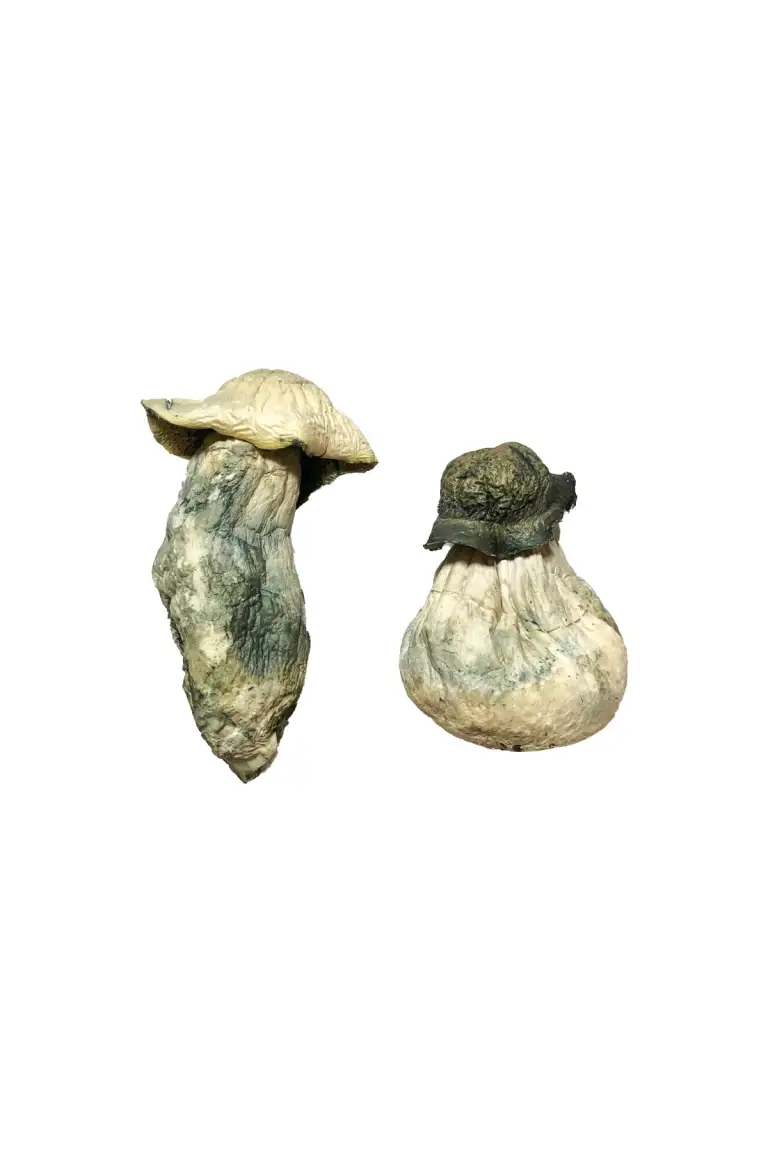
Mature APE mushrooms are typically described as having pale ivory to off-white caps, substantial stems and occasional blue discolouration where tissue has been damaged.
These visible characteristics concern the mushrooms themselves. They should not be confused with the appearance of individual spores under magnification.
What Does Isolated Mean?
The term isolated is used in mycology for biological material separated or selected from a broader population.
A conventional multispore syringe contains individual spores that may differ genetically. A true single-genotype isolate, by contrast, is generally maintained as a fungal culture.
Consequently, an isolated spore syringe should not automatically be described as genetically uniform. The precise meaning of this designation depends on the supplier’s preparation method and whether the syringe contains spores, culture material or another biological suspension.
What’s Included with Your APE Syringe?
The supplied reference specification lists:
- One 10 ml Luer-Lock syringe labelled Isolated Albino Penis Envy
- One sterile 16-gauge needle
- One alcohol preparation pad
- One microscopy instruction sheet
The contents and accessories should be confirmed against the actual Magic Mushrooms Shop product.
Albino Penis Envy Product Specifications
| Specification | Details |
|---|---|
| Product name | Albino Penis Envy Isolated Spores |
| Scientific species | Psilocybe cubensis |
| Named variety | Albino Penis Envy (APE) |
| Product designation | Isolated |
| Stated format | Syringe |
| Stated volume | 10 ml (10 cc) |
| Associated mushroom appearance | Pale ivory-white caps and thick stems |
| Spore pigmentation | Requires product-specific confirmation |
| Exact biological preparation | Requires supplier confirmation |
| Intended application | Lawful microscopy and identification research |
Albino Penis Envy and Microscopic Identification
The pale appearance of Albino Penis Envy mushrooms does not, by itself, establish the colour or microscopic characteristics of every spore preparation sold under the APE name.
Spore pigmentation and visibility may differ between individual albino or leucistic lineages. For accurate microscopy descriptions, these characteristics should be confirmed from the actual specimen rather than inferred from the commercial variety name.
Reliable labelling and documented specimen identity are especially important when comparing APE with conventional Penis Envy and other pale cubensis varieties.
A Distinctive Specimen for Mycology Collections
Albino Penis Envy Isolated Spores combine a recognisable cubensis lineage with a specialised product designation.
Its distinctive mushroom morphology and reported breeding background provide useful context for lawful microscopy, fungal identification and comparative mycological research.
For microscopy and taxonomic observation only.
Be the first to review “Albino Penis Envy Isolated Spores”
Related products
Psilocybin Mushroom
Psilocybin Mushroom
Psilocybin Mushroom

Psilocybin Mushroom
Psilocybin Mushroom
Psilocybin Mushroom
Psilocybin Mushroom
Psilocybin Mushroom
Reviews
There are no reviews yet.