
 Deutsch
 Ελληνικά
 Dansk
 Nederlands
 Svenska
Best Psilocybe Cubensis Substrate for sale
What makes one Psilocybe cubensis substrate different from another? The answer begins with its composition, biological condition and manufacturing quality. Products marketed under this name range from ordinary uncolonised growing materials to prepared substrate blends and containers holding established fungal mycelium.
Finding the best Psilocybe cubensis substrate is therefore not simply a matter of choosing the largest package or the most expensive formulation. Understanding what each product contains, how it has been processed and which quality claims can be verified provides a more meaningful basis for comparison.
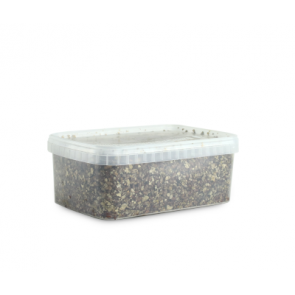
Grow Kits without Mycelium
Sterile Magic Mushroom substrate for p. Cubensis Extra Large
Grow Kits without Mycelium
What Is Psilocybe Cubensis Substrate?
Psilocybe cubensis substrate is a growing medium associated with Psilocybe cubensis, a species of fungus known for producing psilocybin-containing mushrooms.
The substrate provides the physical environment in which fungal mycelium develops. Mycelium consists of microscopic, branching filaments called hyphae that absorb nutrients from surrounding materials.
Depending on its composition, a substrate may contain organic nutrients, moisture-retaining materials or structural components. These properties vary between formulations.
Importantly, substrate is not the same as a mushroom. The substrate is the growing medium, while the mushroom is the fruiting body of the fungus.
What Defines a High-Quality Psilocybe Cubensis Substrate?
The term best is often used in product descriptions, but substrate quality cannot be established through marketing language alone.
Several measurable or documentable characteristics help distinguish products.Clearly Identified Ingredients
A reliable product description should identify the principal materials contained in the substrate.
Descriptions such as premium blend or professional formula provide limited information unless supported by an ingredient list.
Documented Processing
Some products are described as pasteurised or sterilised. These terms refer to different microbial treatments and should not be used interchangeably. The stated processing method should reflect the manufacturer's actual production procedure.Defined Biological Contents
One of the most important distinctions is whether a substrate is uncolonised or contains established fungal mycelium. These are different product types, even when both are described using the same species name.Accurate Product Specifications
Weight, volume, packaging, moisture condition and manufacturer identification help establish what is being supplied.
None of these specifications individually guarantees biological performance, but together they provide a more transparent product description.
Comparing Psilocybe Cubensis Substrate Materials
Materials associated with mushroom substrates differ in their physical and nutritional characteristics.| Material | Principal characteristics | Product distinction |
|---|---|---|
| Coconut coir | Fibrous, lightweight, moisture-retaining | Plant-derived structural material |
| Vermiculite | Porous, lightweight, moisture-retaining | Expanded mineral component |
| Grain-based media | Contains cereal nutrients | Nutrient-rich organic material |
| Compost-based materials | Processed organic matter | Composition varies by formulation |
| Prepared blends | Combination of specified ingredients | Properties depend on the complete formulation |
Substrate Composition vs. Substrate Quality
Substrate composition and substrate quality are related, but they are not identical.
Composition describes what a product contains. For example, two products may use different combinations of plant fibres, mineral components and organic matter.
Quality concerns how accurately those materials are identified, processed, packaged and represented.
Two products with similar ingredient lists may differ in moisture condition, packaging integrity or manufacturing documentation.
Likewise, a complex formulation is not automatically superior to a simpler one. More ingredients do not necessarily indicate better manufacturing quality.
This distinction is particularly important when comparing products promoted as premium or professionally prepared.
Uncolonised Substrate vs. Colonised Psilocybe Cubensis Substrate
The presence of living fungal material fundamentally changes the nature of a substrate product.
Uncolonised substrate consists of growing material without established fungal mycelium. It may contain organic nutrients or other ingredients, but it is not itself a living fungal culture.
Colonised substrate contains mycelium growing through or on the substrate material.
This difference affects biological classification, product identification and potentially its legal treatment.
A listing described only as Psilocybe cubensis substrate may not make this distinction clear. Product documentation should identify whether living fungal material is present.
Why Substrate Claims Deserve Careful Evaluation
Commercial mushroom substrate descriptions sometimes rely on claims such as maximum yield, guaranteed purity or superior performance.
Such statements require evidence.A substrate's physical composition does not, by itself, establish how a biological culture will develop. Likewise, a claim that a product has been sterilised should not be interpreted as an indefinite guarantee against contamination.
Meaningful evidence may include documented ingredient composition, defined processing methods, appropriate quality-control records and independently verifiable product specifications.
Without that information, claims of superiority remain marketing assertions rather than demonstrated differences.
Psilocybe Cubensis Substrate and European Regulations
The legal classification of substrate products varies across Europe.
Ordinary uncolonised growing materials may be treated differently from products containing living cultures of Psilocybe cubensis.
Because the species can produce controlled psychoactive compounds, the presence of biological material may affect how a product is regulated.
The legal status of a substrate should therefore be assessed according to its actual contents and the applicable legislation of the relevant European country.