 Deutsch
 Ελληνικά
 Dansk
 Nederlands
 Svenska
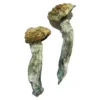
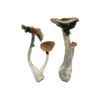
Buy Malabar Magic Mushrooms Online
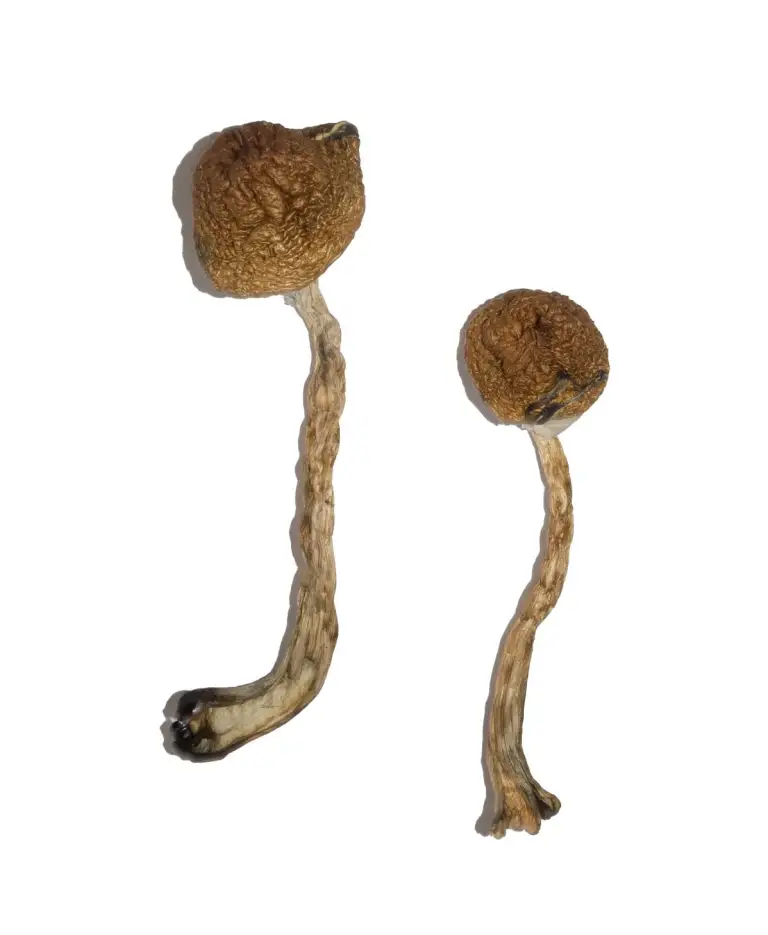
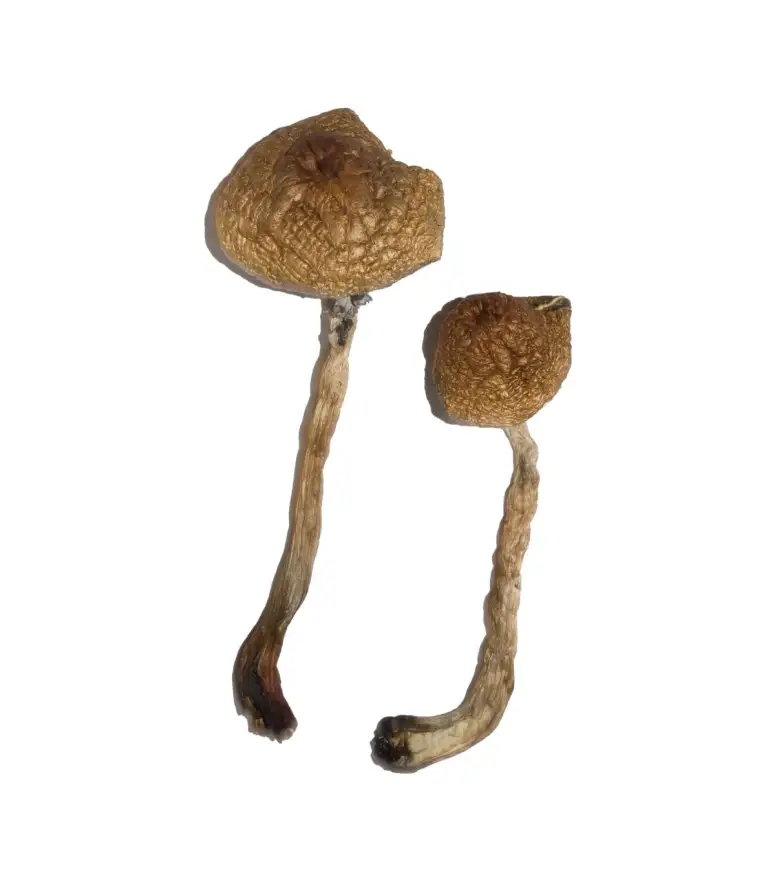
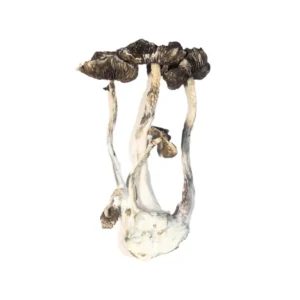
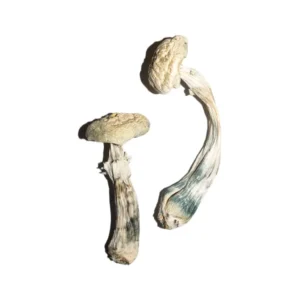
Explore the distinctive characteristics of Malabar Magic Mushrooms, a named Psilocybe cubensis lineage associated with India’s tropical southwestern coastline. Also known as Malabar Coast mushrooms, this variety is recognised in specialist mycology circles for its substantial stems, warm golden-brown caps and unusual veil development.
With a geographical identity linked to one of India’s most ecologically diverse coastal regions, Malabar offers an interesting example of the natural variation found within Psilocybe cubensis.
The Distinctive Appearance of Malabar Mushrooms
One of the most frequently described features of the Malabar lineage is its relatively robust fruiting-body structure.
Malabar specimens are commonly associated with thick, fleshy stems and caps that may appear comparatively small during early development. As the mushrooms mature, their caps can expand into broader, flatter forms, displaying shades of caramel, golden brown and warm tan.
An especially interesting characteristic is the partial veil, a delicate membrane connecting the cap margin to the stem during development.
In some Malabar specimens, this veil has been described as unusually persistent, remaining visible even as the cap expands. This feature contributes to the lineage’s recognisable appearance, although it is not sufficient for reliable identification on its own.
Individual mushrooms can vary in shape, colouring and proportions, even when they share the same commercial lineage name.
From India’s Malabar Coast to Modern Mycology
The Malabar Coast stretches along southwestern India, an area historically associated with tropical forests, coastal landscapes and substantial seasonal rainfall.
The commercial Malabar mushroom lineage is commonly reported to originate from specimens collected in this region. Although this geographical association is well established in specialist variety descriptions, the complete collection history and genetic continuity of modern specimens are not independently documented.
Scientific research has confirmed the presence of Psilocybe cubensis in southern India, including Kerala. This supports the broader geographical context of the Malabar name without establishing the ancestry of every mushroom circulated under that designation.
What Sets Malabar Apart from Other Cubensis Lineages?
Named Psilocybe cubensis varieties are often distinguished by reported collection locations, historical associations or selected physical characteristics.
Malabar is particularly associated with its substantial stems and persistent veil structure.
Unlike Penis Envy, which is widely recognised for compact caps and a selectively developed appearance, Malabar is generally described as retaining a more conventional P. cubensis silhouette.
Its identity is therefore best understood through a combination of reported geographical origin and characteristic morphology rather than claims of exceptional potency or predictable effects.
Understanding Its Natural Chemical Composition
Malabar belongs to Psilocybe cubensis, a species known to contain the naturally occurring compounds psilocybin and psilocin.
The concentrations of these compounds are not fixed across all specimens of a named lineage. Biological variation and differences between individual samples mean that commercial names cannot establish a reliable chemical profile.
Claims about consistent strength or particular subjective effects require evidence from the material concerned rather than general descriptions of the Malabar variety.
Malabar Magic Mushrooms at a Glance
| Characteristic | Details |
|---|---|
| Common name | Malabar Magic Mushrooms |
| Alternative name | Malabar Coast |
| Scientific association | Psilocybe cubensis |
| Geographical association | Southwestern India |
| Cap appearance | Golden-brown to caramel tones |
| Stem characteristics | Often thick and fleshy |
| Notable morphological feature | Reportedly persistent partial veil |
| Spore colour | Dark purplish-brown |
| Naturally occurring compounds | Psilocybin and psilocin |
| Taxonomic classification | Named commercial lineage, not a separate species |
A Recognisable Lineage with Indian Heritage
Malabar occupies a distinctive place among named Psilocybe cubensis lineages because of its association with India’s southwestern coast and the unusual veil characteristics described in early variety records.
Its combination of robust morphology and geographical history makes it a worthwhile subject within collections and reference material devoted to fungal biodiversity.
As with other commercial mushroom names, reliable specimen identification depends on documented provenance and appropriate scientific evidence rather than appearance or lineage designation alone.
| qtr | 1/2 Ounce, 1/2 Pound, 1/4 Pound, One Ounce, One Pound |
|---|
Be the first to review “Malabar Magic Mushrooms”
Related products
Psilocybin Mushroom
Psilocybin Mushroom
Psilocybin Mushroom
Psilocybin Mushroom
High-Quality B+ Magic Mushrooms Online – Psychedelic Dispensary
Psilocybin Mushroom
Psilocybin Mushroom
Psilocybin Mushroom
Psilocybin Mushroom
Reviews
There are no reviews yet.