
 Deutsch
 Ελληνικά
 Dansk
 Nederlands
 Svenska
Buy Koh Samui Magic Mushrooms Online
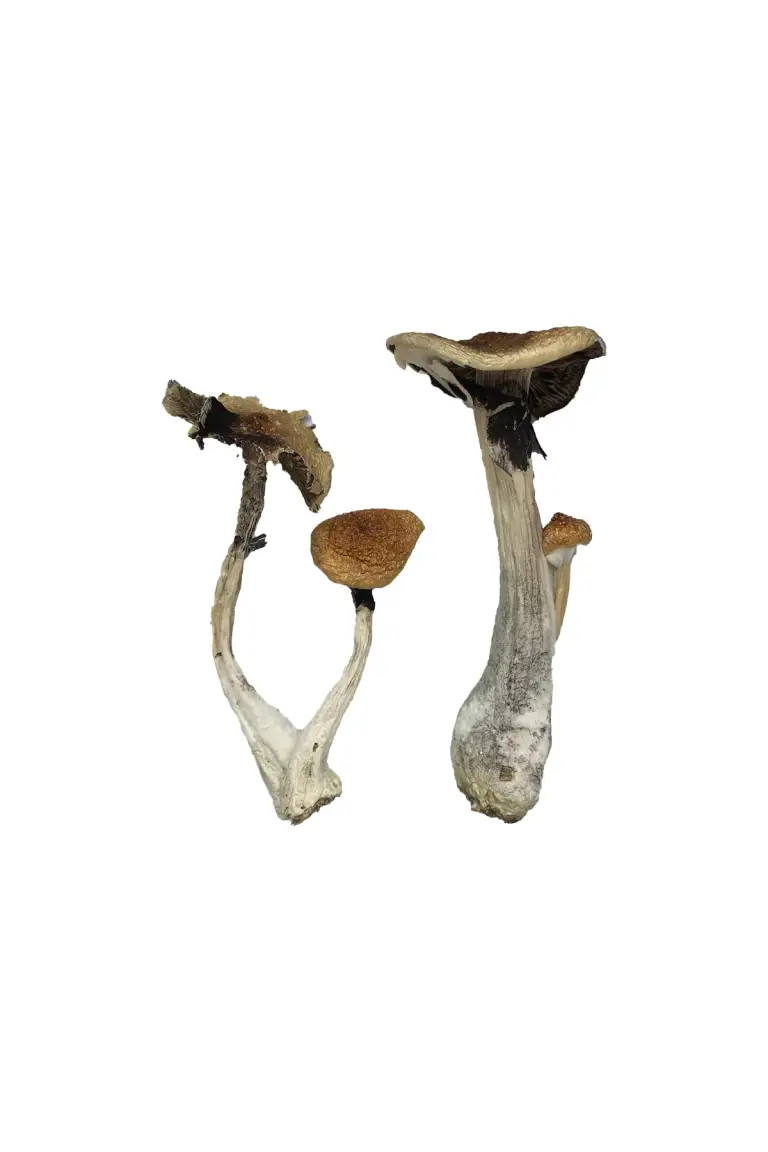
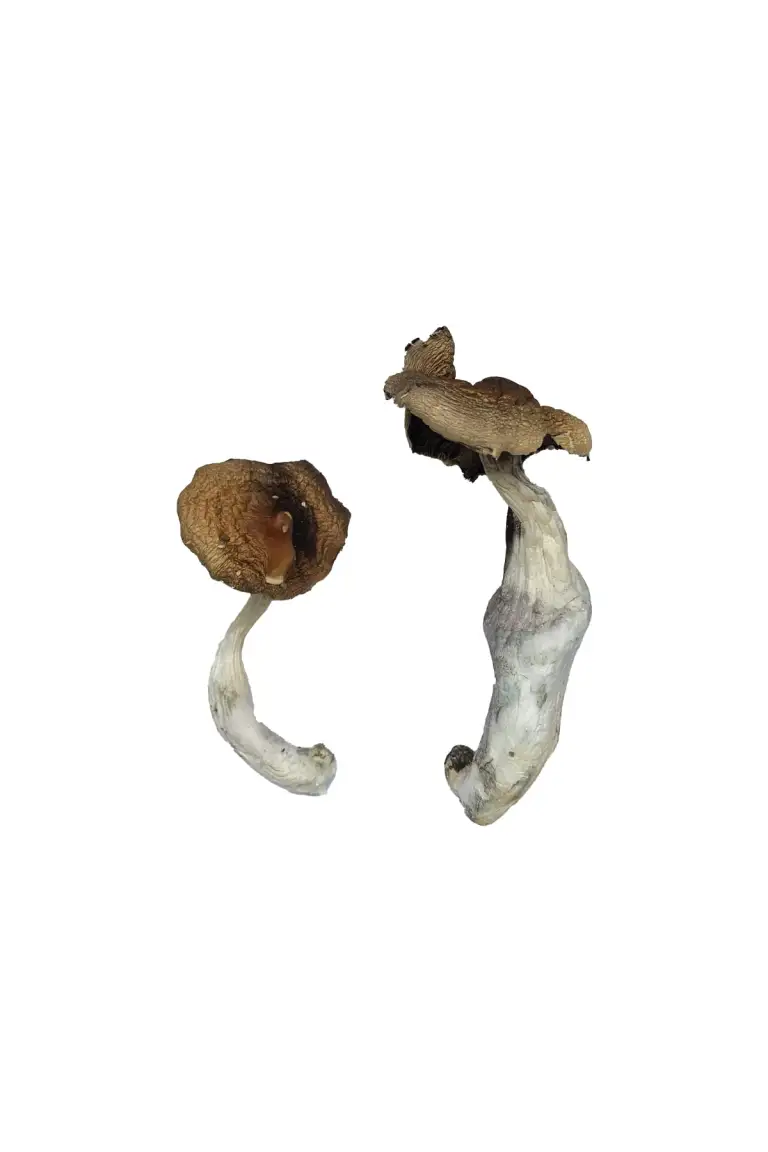
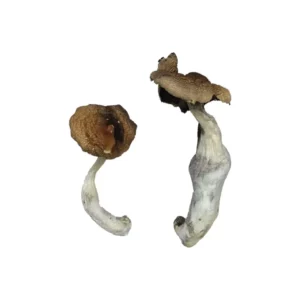
Discover the tropical heritage of Koh Samui Magic Mushrooms, a distinctive Psilocybe cubensis lineage associated with the island of Koh Samui in southern Thailand. Known for its compact fruiting bodies, warm golden-brown caps and characteristic stem structure, this Thai variety has become a recognisable name within international mycology collections.
With roots in Southeast Asian fungal exploration, Koh Samui combines an interesting geographical background with the natural morphological diversity of Psilocybe cubensis.
A Distinctive Thai Cubensis Variety
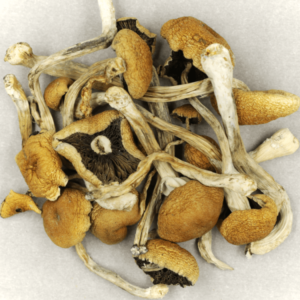
Koh Samui mushrooms are frequently described as having a compact, sturdy appearance that distinguishes them from some of the taller, more slender Psilocybe cubensis lineages.
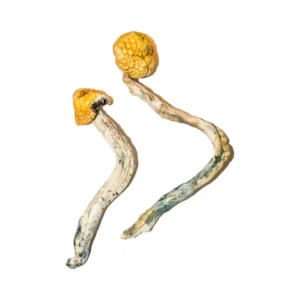
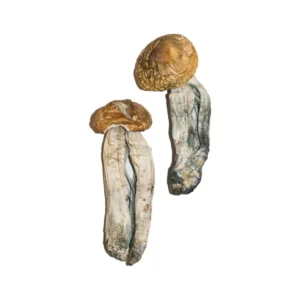
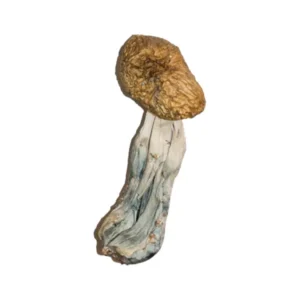
Their caps commonly develop warm caramel, golden-brown or reddish-brown colouring, while the stems may appear relatively thick in proportion to their height. Some specimens display a broader stem base, contributing to the variety’s recognisable silhouette.
As the fruiting bodies mature, their caps can expand and become lighter in colour. Like other P. cubensis mushrooms, they produce dark purplish-brown spores and may develop blue discolouration following tissue damage.
Individual appearance varies, and these features should not be considered definitive proof of lineage identity.
From Koh Samui Island to International Mycology
Situated in the Gulf of Thailand, Koh Samui is known for its tropical climate and varied natural environments.
The Koh Samui Psilocybe cubensis lineage is commonly associated with collections made by ethnomycologist John W. Allen during his investigations of psychoactive fungi in Thailand around the early 1990s.
Allen’s fieldwork contributed to scientific and community interest in Southeast Asian Psilocybe species and regional mushroom diversity.
The Koh Samui name subsequently became established in specialist mushroom collections, preserving an association with its reported geographical origins.
Although this historical connection is widely documented in mycology references, the precise genetic provenance of individual specimens currently circulated under the name requires separate verification.
Koh Samui and Koh Samui Super Strain: What’s the Difference?
Two closely related names frequently appear in specialist mushroom catalogues: Koh Samui and Koh Samui Super Strain, commonly abbreviated to KSSS.
The original Koh Samui designation generally refers to the Thai Psilocybe cubensis lineage associated with early regional collections.
Koh Samui Super Strain is commonly described as a subsequently selected lineage associated with particular morphological characteristics, including compact fruiting bodies and substantial stems.
Despite the name, the term Super Strain does not establish superior chemical potency, guaranteed biological performance or a separate scientific species.
The distinction is primarily one of commercial lineage history and reported selection rather than formal taxonomy.
An Important Scientific Distinction: Psilocybe Samuiensis
Koh Samui is also associated with a separate mushroom species, Psilocybe samuiensis, formally described by Gastón Guzmán, Victor Bandala and John W. Allen in 1993.
Although both names reference the same Thai island, they describe different fungi.
Koh Samui Magic Mushrooms, as commonly named in commercial P. cubensis catalogues, refer to a lineage of Psilocybe cubensis. Psilocybe samuiensis, by contrast, is a distinct taxonomic species with its own documented characteristics.
This distinction is particularly important when researching historical collections, scientific studies and chemical analyses, as findings relating to one species cannot automatically be applied to the other.
Natural Compounds and Lineage Variation
Koh Samui belongs to Psilocybe cubensis, a species known to produce psilocybin and psilocin.
The concentration of these naturally occurring compounds can vary between specimens, including those sharing the same commercial lineage name.
Descriptions of Koh Samui as consistently producing particular effects or possessing a fixed potency are therefore not reliable substitutes for material-specific chemical analysis.
Its established identity is better understood through its reported geographical history, morphology and place within the wider diversity of Psilocybe cubensis.
Koh Samui Magic Mushrooms at a Glance
| Characteristic | Details |
|---|---|
| Common name | Koh Samui Magic Mushrooms |
| Alternative name | Thai Koh Samui |
| Scientific association | Psilocybe cubensis |
| Reported origin | Koh Samui, Thailand |
| Historical association | John W. Allen’s Thai field collections |
| Cap appearance | Golden-brown to caramel or reddish-brown |
| Stem characteristics | Often compact and relatively sturdy |
| Spore colour | Dark purplish-brown |
| Related commercial lineage | Koh Samui Super Strain (KSSS) |
| Naturally occurring compounds | Psilocybin and psilocin |
A Recognisable Lineage from Southeast Asia
Koh Samui holds a distinctive position among named Psilocybe cubensis varieties because of its Thai geographical association and connection to early ethnomycological exploration.
Its compact morphology, recognisable cap colouring and relationship to the later KSSS designation make it an interesting lineage within the wider study of psychedelic fungi.
For accurate identification, documented provenance and verified species information remain essential, particularly given the existence of the separately recognised species Psilocybe samuiensis.
| qtr | 1/2 Ounce, 1/2 Pound, 1/4 Pound, One Ounce, One Pound |
|---|
Be the first to review “Koh Samui Magic Mushrooms”
Related products
Psilocybin Mushroom
Psilocybin Mushroom
Psilocybin Mushroom
Psilocybin Mushroom

Psilocybin Mushroom
Psilocybin Mushroom
Psilocybin Mushroom
Psilocybin Mushroom
Reviews
There are no reviews yet.