
 Deutsch
 Ελληνικά
 Dansk
 Nederlands
 Svenska
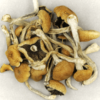
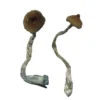
Buy Cuban Magic Mushrooms Online
Cuban Magic Mushrooms are associated with one of the most significant locations in the scientific history of Psilocybe cubensis. Their name reflects Cuba’s connection to the original description of this widely recognised mushroom species, giving them a distinctive place in the history of tropical mycology.
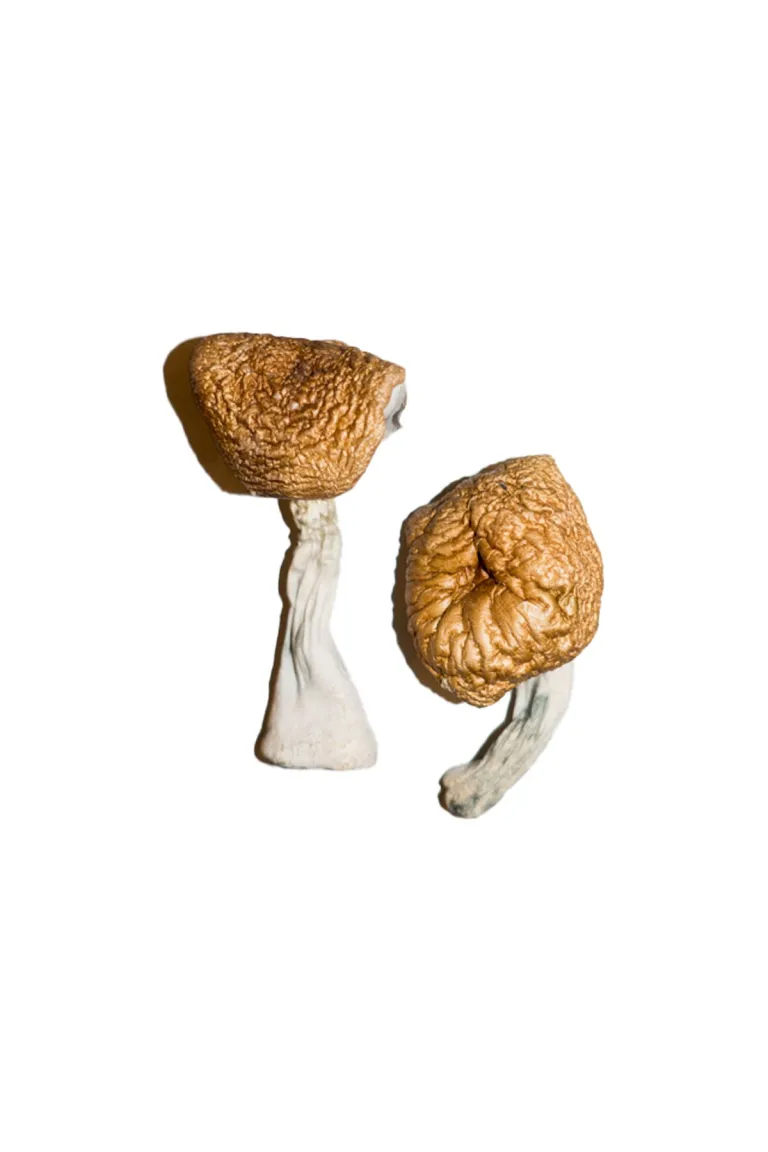
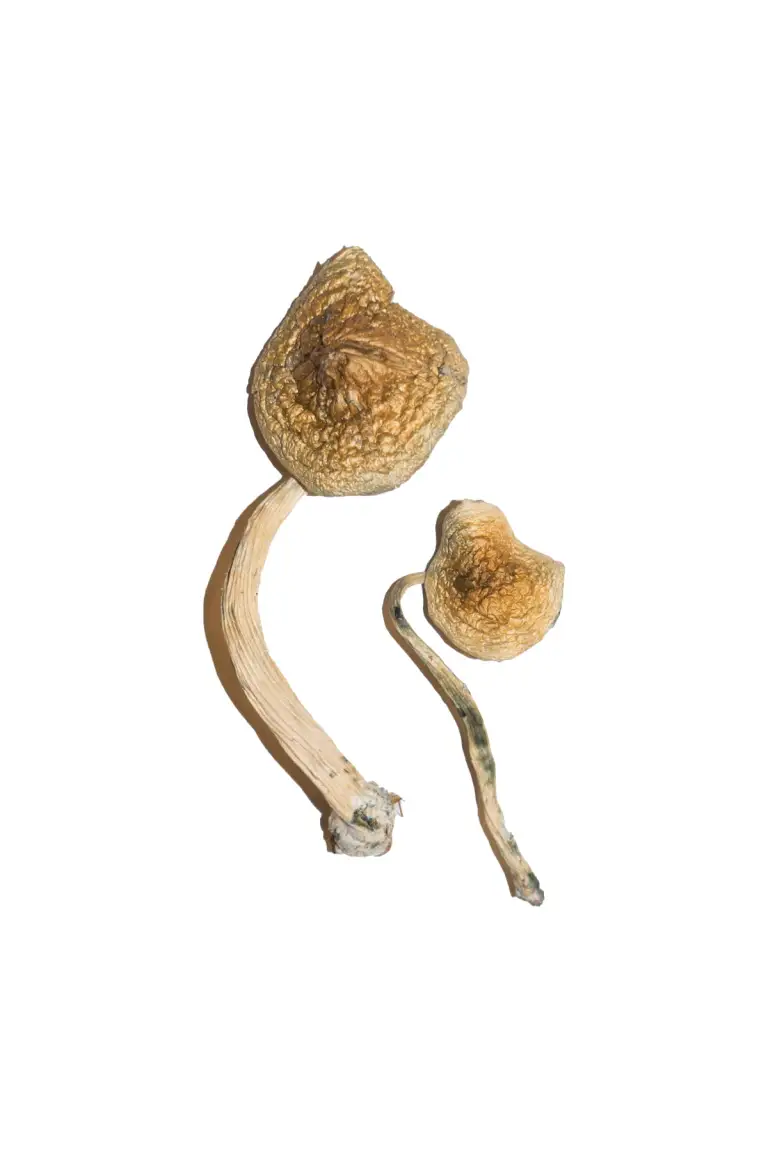
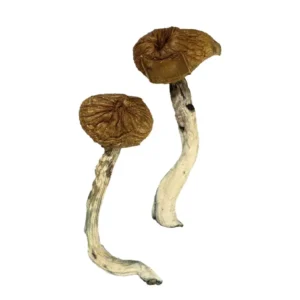
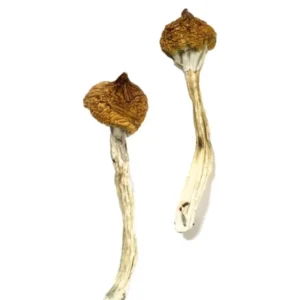
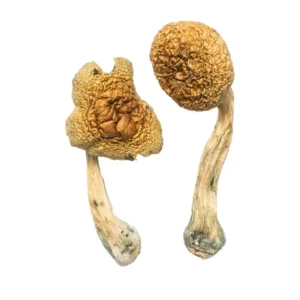
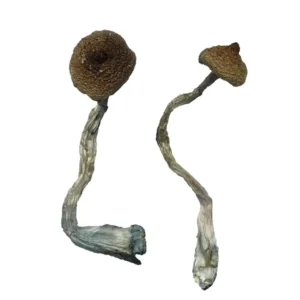
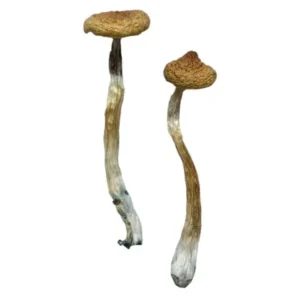
In dried form, Cuban mushrooms typically exhibit the golden-brown caps, pale stems and naturally irregular textures associated with preserved P. cubensis. Their historical significance makes them particularly interesting among geographically named mushroom varieties.
The Cuban Connection: Where Cubensis History Began
The story begins in 1906, when American mycologist Franklin Sumner Earle published the scientific description of a mushroom collected in Cuba.
He originally named the species Stropharia cubensis, with the Latin epithet cubensis referring directly to its Cuban origin.
Several decades later, mycologist Rolf Singer transferred the species into the genus Psilocybe, establishing the scientific name Psilocybe cubensis used today.
This history gives Cuba a genuine and documented place in fungal taxonomy.
However, an important distinction exists between the original scientific collection and modern mushrooms marketed under the Cuban name. Although both are associated with the same species, the genetic ancestry of a commercial Cuban lineage cannot be established solely through its name.
Recognising Cuban Mushrooms in Dried Form
Dried Cuban Magic Mushrooms display the physical changes that occur when moisture is removed from fungal tissue.
Caps that were originally rounded or convex may become flattened, folded or irregularly curled. Their colouring can range from honey-gold and tan to deeper caramel-brown shades.
The stems generally retain a pale cream or beige appearance, becoming lightweight and fibrous as they dry. Some specimens may show blue-grey discolouration caused by tissue damage.
Depending on the original fruiting bodies and drying conditions, individual specimens may differ in size, proportions and surface texture.
These features are consistent with dried Psilocybe cubensis, although they are not exclusive to Cuban-labelled mushrooms.
A Species with a Tropical History
The Cuban connection extends beyond the species’ original scientific name.
Psilocybe cubensis is associated with tropical and subtropical environments and has been documented across several regions of the Americas, Asia and elsewhere.
In natural habitats, the species is frequently associated with nutrient-rich grassland environments, particularly areas influenced by grazing animals.
Cuba’s warm climate and agricultural landscapes form part of the ecological setting in which the species was originally documented.
The Cuban designation therefore carries genuine geographical significance, even though modern commercial lineages may have undergone many generations of cultivation and selection.
Understanding the Cuban Variety
Cuban is a geographical or commercial designation within Psilocybe cubensis, not a separate scientifically recognised species.
This distinction matters because many named cubensis varieties share overlapping physical characteristics.
Golden Teacher, Ecuadorian and Cuban-labelled specimens may all display golden-brown caps and pale stems, particularly after drying.
Their names often communicate geographical associations, collection histories or selection backgrounds rather than independently established genetic differences.
Modern research has also shown considerable variation in the chemical composition of P. cubensis specimens. The Cuban name alone cannot establish a particular concentration of psilocybin or psilocin.
Cuban Magic Mushrooms: Essential Characteristics
| Characteristic | Description |
|---|---|
| Product name | Cuban Magic Mushrooms |
| Product form | Dried mushrooms |
| Scientific species | Psilocybe cubensis |
| Geographical association | Cuba, Caribbean |
| Original species description | 1906, Franklin Sumner Earle |
| Original scientific name | Stropharia cubensis |
| Typical dried caps | Golden-brown to caramel, often folded |
| Typical dried stems | Pale cream to beige, fibrous |
| Naturally occurring compounds | Psilocybin and psilocin |
| Commercial lineage ancestry | Requires independent verification |
Why Cuban Mushrooms Remain Significant
Among geographically named Psilocybe cubensis varieties, Cuban Magic Mushrooms have a particularly meaningful historical association.
Their name connects directly to the location where the species entered the formal scientific record more than a century ago.
The appearance of dried Cuban specimens reflects the familiar characteristics of preserved cubensis mushrooms, while their geographical designation offers a valuable starting point for understanding the species’ history.
For mycological documentation and research, this combination of historical relevance, tropical ecology and recognised species identity makes Cuban a noteworthy name within the wider Psilocybe cubensis family.
| qtr | 1/2 Ounce, 1/2 Pound, 1/4 Pound, One Ounce, One Pound |
|---|
Be the first to review “Cuban Magic Mushrooms”
Related products

Psilocybin Mushroom
Psilocybin Mushroom
Psilocybin Mushroom
Psilocybin Mushroom
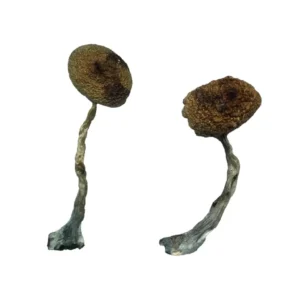
Psilocybin Mushroom
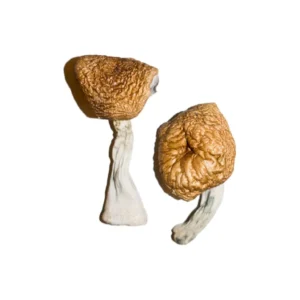
Psilocybin Mushroom
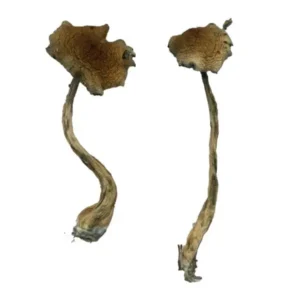
Psilocybin Mushroom
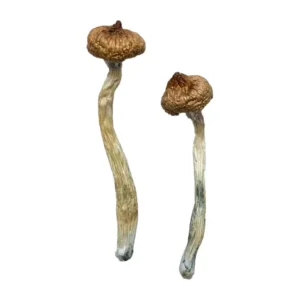
Psilocybin Mushroom
Reviews
There are no reviews yet.