
 Deutsch
 Ελληνικά
 Dansk
 Nederlands
 Svenska
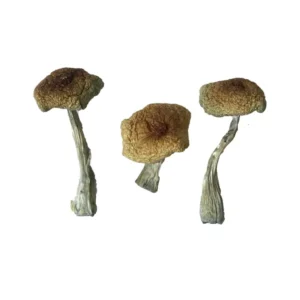
Psilocybe Aztecorum Magic Mushrooms
Psilocybe Aztecorum Magic Mushrooms belong to a distinctive psilocybin-producing fungal species native to the mountainous landscapes of central Mexico. Known for its slender fruiting bodies, moisture-sensitive caps and association with high-altitude pine forests, Psilocybe aztecorum occupies an important place in Mexican mycology and the scientific study of psychedelic fungi.
Unlike commercially named varieties of Psilocybe cubensis, P. aztecorum is an independently recognised species with its own documented taxonomy, ecological characteristics and research history.
The Origins of Psilocybe Aztecorum
Psilocybe aztecorum is associated with the volcanic mountain regions of central Mexico, where it occurs in cool, elevated habitats.
The species was formally described by Roger Heim in 1957 during a period of growing scientific interest in Mexico’s psilocybin-producing fungi. Subsequent research by Gastón Guzmán expanded knowledge of its geographical distribution, morphological variation and relationships with other members of the genus Psilocybe.
Its scientific name refers to the Aztec peoples of central Mexico, reflecting the broader historical and ethnomycological context in which these fungi became known to researchers.
Although the species has been discussed in connection with Indigenous mushroom traditions, specific claims about its historical ceremonial use should be distinguished from independently documented evidence.
A High-Altitude Mushroom Species
One of the most distinctive features of Psilocybe aztecorum is its natural environment.
The species has been documented in mountainous areas of central Mexico, particularly in open pine forests, grassy woodland and habitats containing decomposing woody material.
Its reported distribution includes elevations of approximately 3,200–4,000 metres, where cooler temperatures and seasonal moisture distinguish its environment from the warmer habitats commonly associated with Psilocybe cubensis.
Psilocybe aztecorum is saprotrophic, obtaining nutrients from decomposing organic matter rather than producing its own food through photosynthesis.
Its ecological association with high-elevation forests is an important characteristic of the species and helps distinguish it from other well-known psilocybin-producing mushrooms.
Appearance and Mycological Characteristics
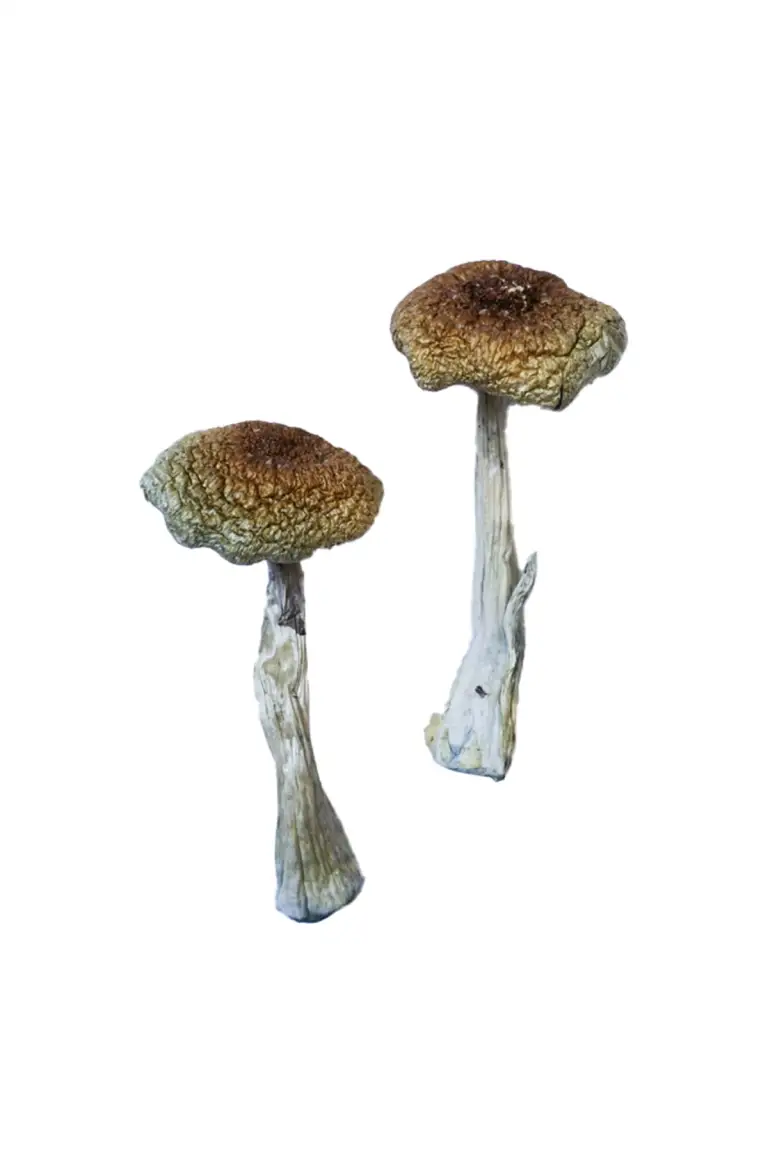
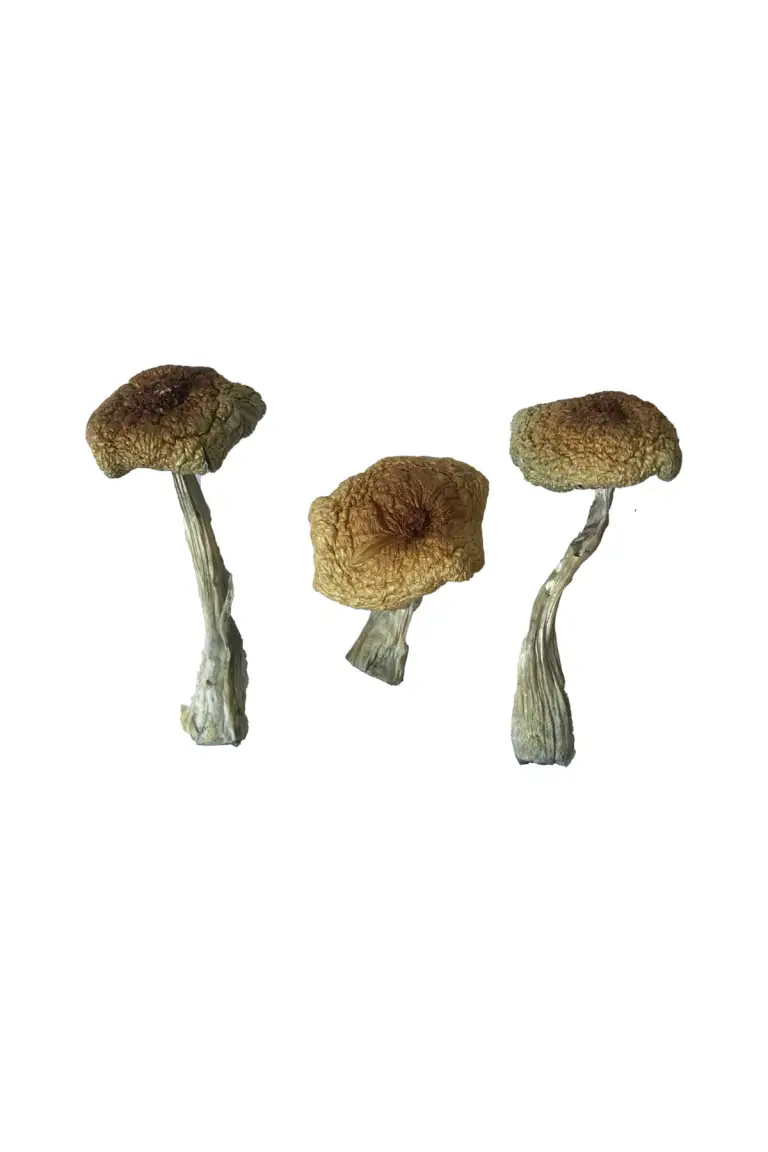
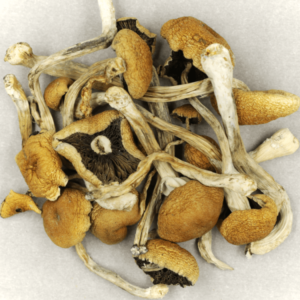
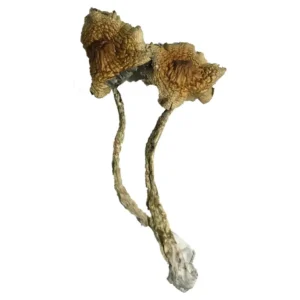
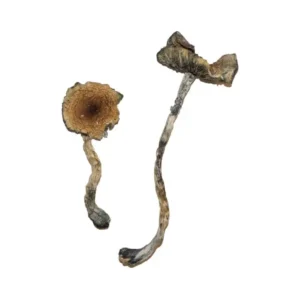
Psilocybe aztecorum produces relatively small fruiting bodies with slender stems and caps that change noticeably in appearance as they lose moisture.
The caps are typically convex to bell-shaped when young and may become more expanded with maturity. Their colouring ranges from darker chestnut-brown in moist conditions to pale yellowish or straw-coloured tones as they dry.
This moisture-related colour change is described as hygrophanous and is an important characteristic in the study of many Psilocybe species.
Other documented features include:
- Slender, cylindrical stems with pale colouring
- Gills that darken as spores mature
- Dark purplish-brown spore deposits
- White mycelial structures that may be visible near the stem base
- Blue discolouration that can occur following tissue damage
These characteristics should be interpreted together with microscopic and taxonomic evidence. No single visible feature is sufficient to identify an unknown wild mushroom reliably.
Psilocybe Aztecorum and Psilocybin
Psilocybe aztecorum is recognised as a psilocybin-producing mushroom species.
Psilocybin and psilocin belong to a group of naturally occurring tryptamine compounds associated with psychedelic effects. Their presence is an important aspect of the species’ chemical and scientific significance.
However, chemical composition can vary between individual specimens, populations and samples. Published measurements from particular collections cannot establish the potency of every mushroom identified as P. aztecorum.
Descriptions suggesting that this species consistently produces a particular intensity of psychedelic effects should therefore be treated cautiously unless supported by appropriate analytical evidence.
Psilocybe Aztecorum: Scientific Characteristics
| Attribute | Information |
|---|---|
| Scientific name | Psilocybe aztecorum |
| Scientific authority | Roger Heim, 1957 |
| Genus | Psilocybe |
| Family | Hymenogastraceae |
| Native geographical association | Central Mexico |
| Natural environment | High-altitude pine forests, grassy woodland and decomposing woody material |
| Reported elevation | Approximately 3,200–4,000 metres |
| Ecological role | Saprotrophic fungus |
| Cap characteristics | Convex to bell-shaped; hygrophanous |
| Typical cap colouring | Chestnut-brown when moist, becoming paler when dry |
| Spore deposit | Dark purplish-brown |
| Associated compounds | Psilocybin and psilocin |
| Product format and quantity | Requires confirmation for the individual listing |
Scientific Importance and Taxonomic Research
Psilocybe aztecorum has been the subject of formal taxonomic research for several decades.
Gastón Guzmán’s 1978 study examined its variation, geographical distribution and relationships with other Psilocybe species. More recent type-specimen research has revisited its classification and the interpretation of related historical names.
This research illustrates the importance of distinguishing scientifically recognised fungal species from informal commercial variety names.
For P. aztecorum, identification involves a combination of documented morphology, ecological observations, microscopic characteristics and taxonomic evidence.
Its distinctive high-altitude ecology and established research history make it a significant species within the broader study of Mexican fungal biodiversity.
Legal Considerations in Europe
Psilocybe aztecorum is a psilocybin-producing species, and material containing controlled psychoactive compounds is subject to legal restrictions in many European countries.
Regulations governing possession, sale, importation and distribution differ by jurisdiction. Scientific identification does not establish whether a particular product can legally be supplied in a given country.
| qtr | 1/2 Ounce, 1/2 Pound, 1/4 Pound, One Ounce, One Pound |
|---|
Be the first to review “Premium Psilocybe Aztecorum Magic Mushrooms Online”
Related products
Psilocybin Mushroom
Psilocybin Mushroom
Psilocybin Mushroom
Psilocybin Mushroom
Psilocybin Mushroom
Psilocybin Mushroom
Psilocybin Mushroom
Psilocybin Mushroom
Reviews
There are no reviews yet.