
 Deutsch
 Ελληνικά
 Dansk
 Nederlands
 Svenska
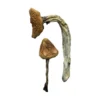
Buy Wavy Caps Magic Mushrooms Online
Discover the distinctive world of Wavy Caps Magic Mushrooms, scientifically known as Psilocybe cyanescens. Recognised for their beautifully undulating caps, rich caramel-brown colouring and fascinating ecological characteristics, Wavy Caps are among the most visually recognisable members of the Psilocybe genus.
Unlike many familiar magic mushroom varieties, Wavy Caps are not a cultivated lineage of Psilocybe cubensis. They belong to a separate species with their own biological characteristics, geographical distribution and natural habitat.
Their striking appearance and documented presence across parts of Europe make them an especially interesting subject within modern psychedelic mycology.
The Signature Wavy Cap Appearance
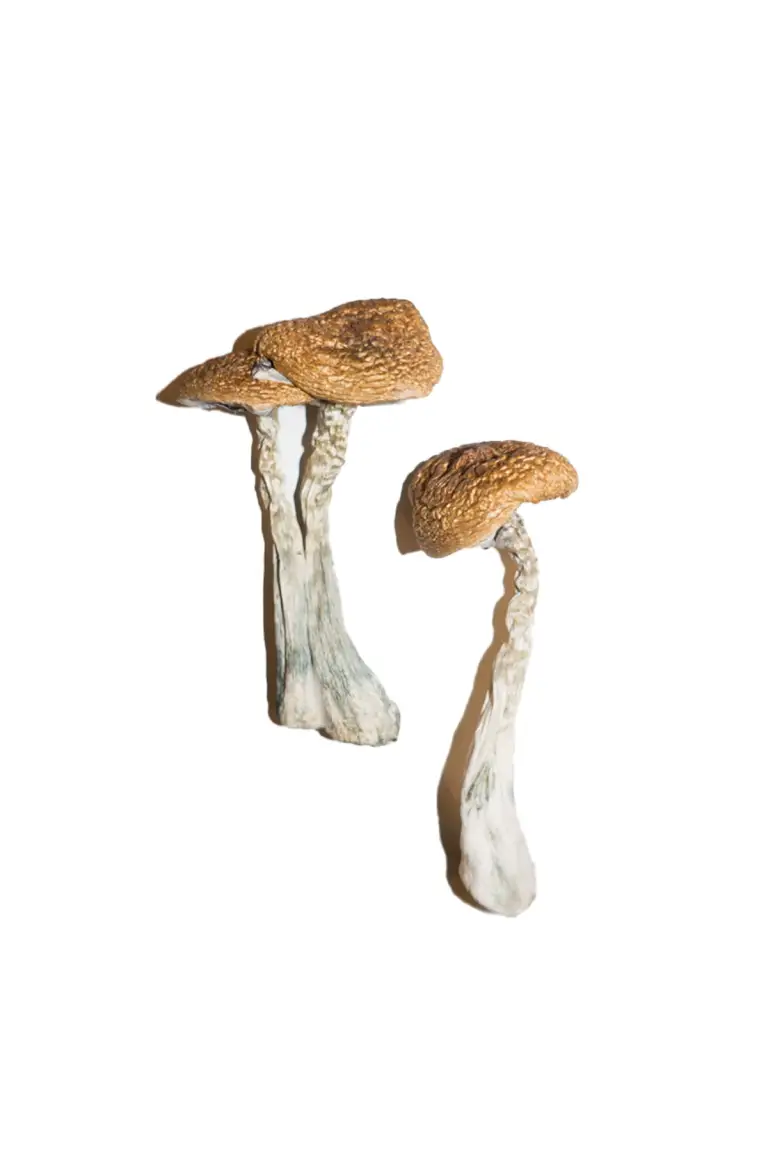
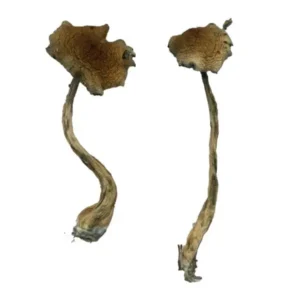
The most recognisable feature of Psilocybe cyanescens is the distinctive wave-like shape that develops around the cap margin as the mushroom matures.
Young specimens generally begin with rounded or convex caps. As development continues, the caps expand and their edges often become irregular, creating the characteristic rippling appearance behind the common name Wavy Caps.
Their colouring is equally notable. Moist caps typically display rich chestnut, caramel or reddish-brown tones, gradually becoming lighter as moisture decreases. This colour-changing characteristic is known as hygrophanous behaviour.
Pale, fibrous stems complement the darker caps, while the gills become progressively darker as spores mature. Blue-green discolouration may appear when fungal tissue is damaged.
Together, these characteristics create the recognisable appearance associated with Wavy Caps, although no single visible feature is sufficient for reliable identification.
A Distinctive Species Found Across Europe
Wavy Caps have an established presence in several temperate European regions, including the United Kingdom and parts of continental Europe.
Unlike Psilocybe cubensis, which is commonly associated with tropical and subtropical environments, Psilocybe cyanescens is particularly associated with cooler conditions and woody organic material.
The species is known for its relationship with decomposing wood, especially wood-chip environments and other areas containing substantial woody debris.
Its occurrence in managed landscapes has attracted considerable interest among European mycologists studying fungal distribution, ecological adaptation and the movement of species through human-modified environments.
Although Wavy Caps are widely documented in Europe and western North America, their precise original geographical range remains uncertain.
What Makes Wavy Caps Different from Cubensis Mushrooms?
Wavy Caps and Psilocybe cubensis belong to the same genus, but they represent different scientific species.
Their differences extend beyond appearance.
Wavy Caps are primarily associated with woody substrates and temperate environments, whereas P. cubensis is generally associated with nutrient-rich habitats in warmer regions.
The pronounced rippling cap margins of mature Wavy Caps also provide a distinctive visual contrast with the more conventional cap shapes commonly associated with P. cubensis.
These ecological and morphological differences make Psilocybe cyanescens an important species in its own right rather than simply another named magic mushroom variety.
Natural Compounds and Scientific Interest
Psilocybe cyanescens is a psilocybin-producing species known to contain psilocybin and psilocin.
Scientific investigations have documented considerable variation in the concentrations of these compounds between specimens. The species is frequently discussed in research concerning chemical diversity among psilocybin-producing fungi.
However, a species name alone cannot establish the chemical composition of an individual sample.
Reliable information about compound concentrations requires appropriate laboratory analysis, and general descriptions should not be interpreted as guarantees of potency or particular subjective effects.
Wavy Caps Magic Mushrooms at a Glance
| Characteristic | Details |
|---|---|
| Common name | Wavy Caps Magic Mushrooms |
| Scientific name | Psilocybe cyanescens |
| Scientific authority | Wakefield, 1946 |
| Family | Hymenogastraceae |
| Cap appearance | Caramel to chestnut-brown, with wavy margins at maturity |
| Typical cap diameter | Approximately 1.5–6 cm |
| Stem appearance | Pale, fibrous and relatively slender |
| Spore colour | Dark purplish-brown |
| Natural habitat | Woody debris and wood-chip environments |
| European distribution | Recorded in the UK and parts of continental Europe |
| Naturally occurring compounds | Psilocybin and psilocin |
Understanding Wavy Caps and Their Identification
The distinctive cap shape of Wavy Caps has made the species widely recognisable in mushroom literature. Nevertheless, its appearance can overlap with other wood-associated fungi.
Of particular concern is Galerina marginata, a potentially deadly mushroom containing amatoxins. It can occur in similar environments and may resemble Wavy Caps.
Because visual similarities can lead to dangerous identification errors, wild specimens should never be considered safe for consumption based on photographs or general descriptions.
An Important Species in European Mycology
Wavy Caps occupy a distinctive position among psilocybin-producing fungi because of their unusual cap morphology, wood-associated ecology and established presence in temperate European environments.
Their characteristics illustrate the considerable diversity within the Psilocybe genus and highlight the importance of distinguishing formally recognised species from commercially named varieties.
For mycological reference and research, Psilocybe cyanescens offers a particularly interesting example of how fungal appearance, ecology and geographical distribution contribute to scientific identification.
Be the first to review “Wavy Caps Magic Mushrooms”
Related products
Psilocybin Mushroom
Psilocybin Mushroom
Psilocybin Mushroom
Psilocybin Mushroom
Psilocybin Mushroom
Psilocybin Mushroom
Psilocybin Mushroom
Psilocybin Mushroom
Reviews
There are no reviews yet.